Oct 1, 2026
Latest news and updates from Neglected But Not Dejected Initiative
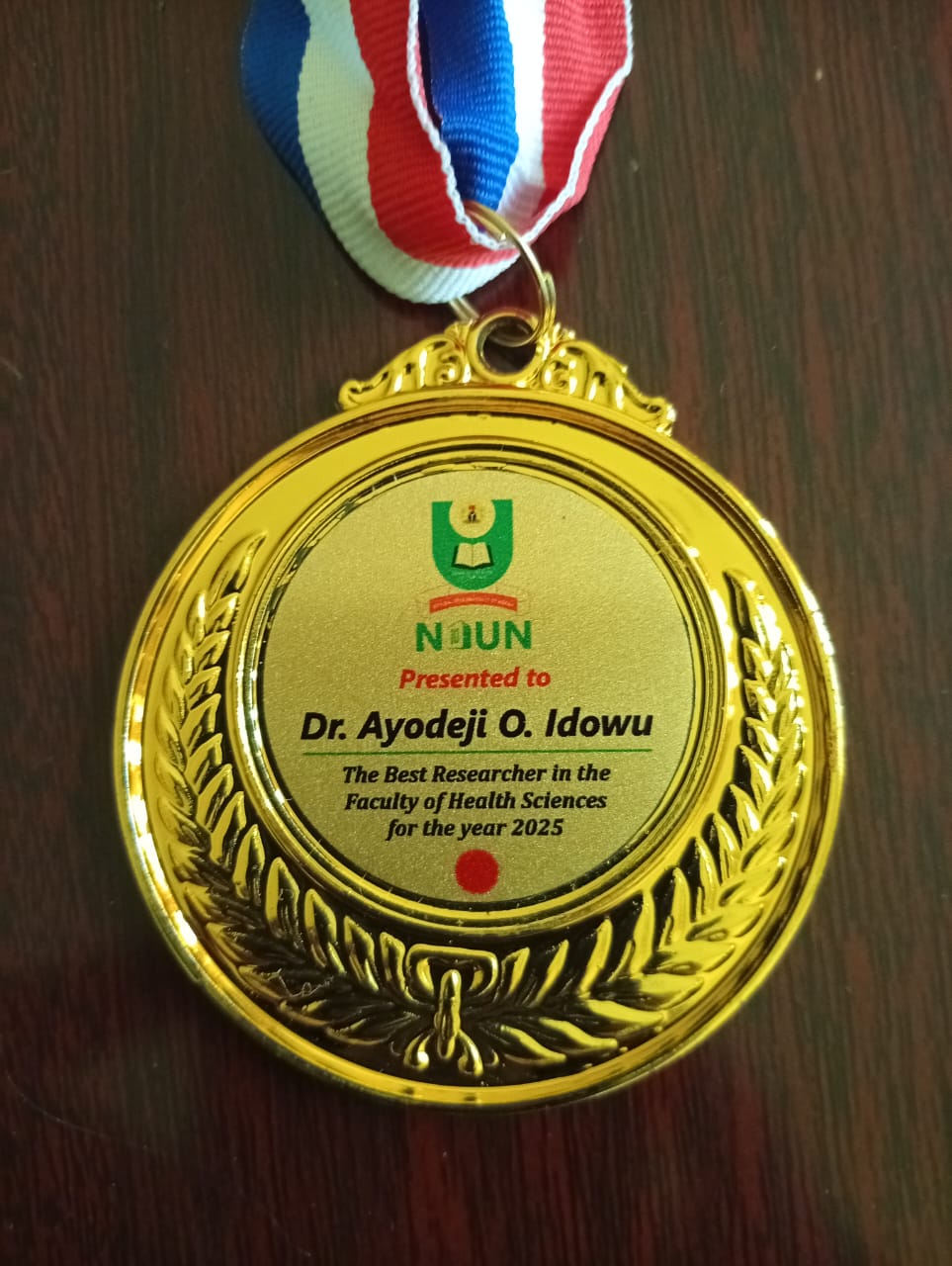
A proud moment for NBNDI at the NOUN 2nd Annual Research week 2026, Theme: "Trans-disciplinary Research, Innovation and Creativity: Pathways to National Development", One of our Board of Trustees, Dr. Idowu Received the NOUN award of Best Researcher, 2026.
Read More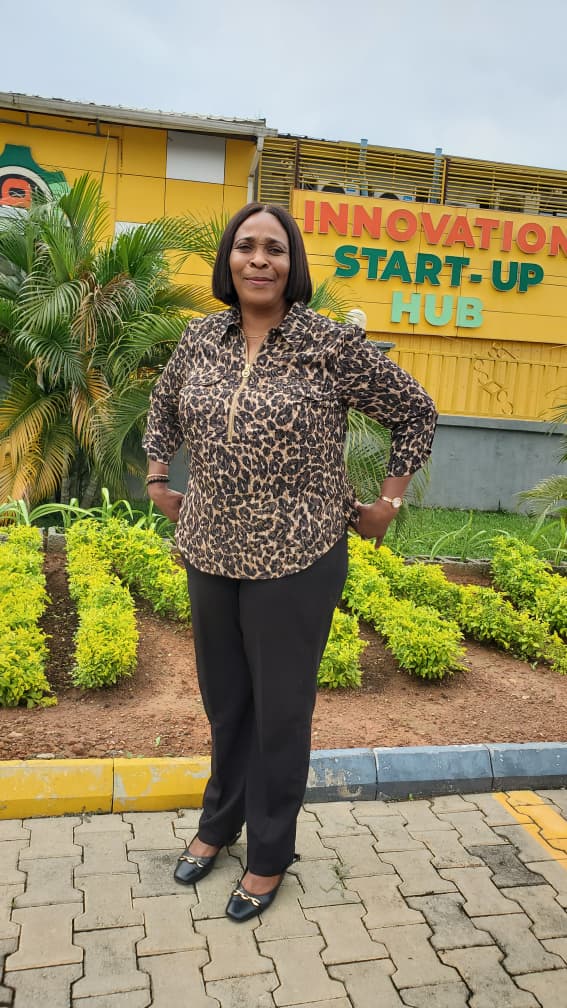
From 1st to 4th September 2026, Dr. Oluremi Saliu participated in the TETFAIR Prototype Bootcamp for her developed innovation, "Orthopedic Thermoplastic Slab for Children with Cerebral Palsy". The experience helped move beyond the idea, examine practical design challenges, consider user needs, and identify the next steps for testing and refinement.
Read More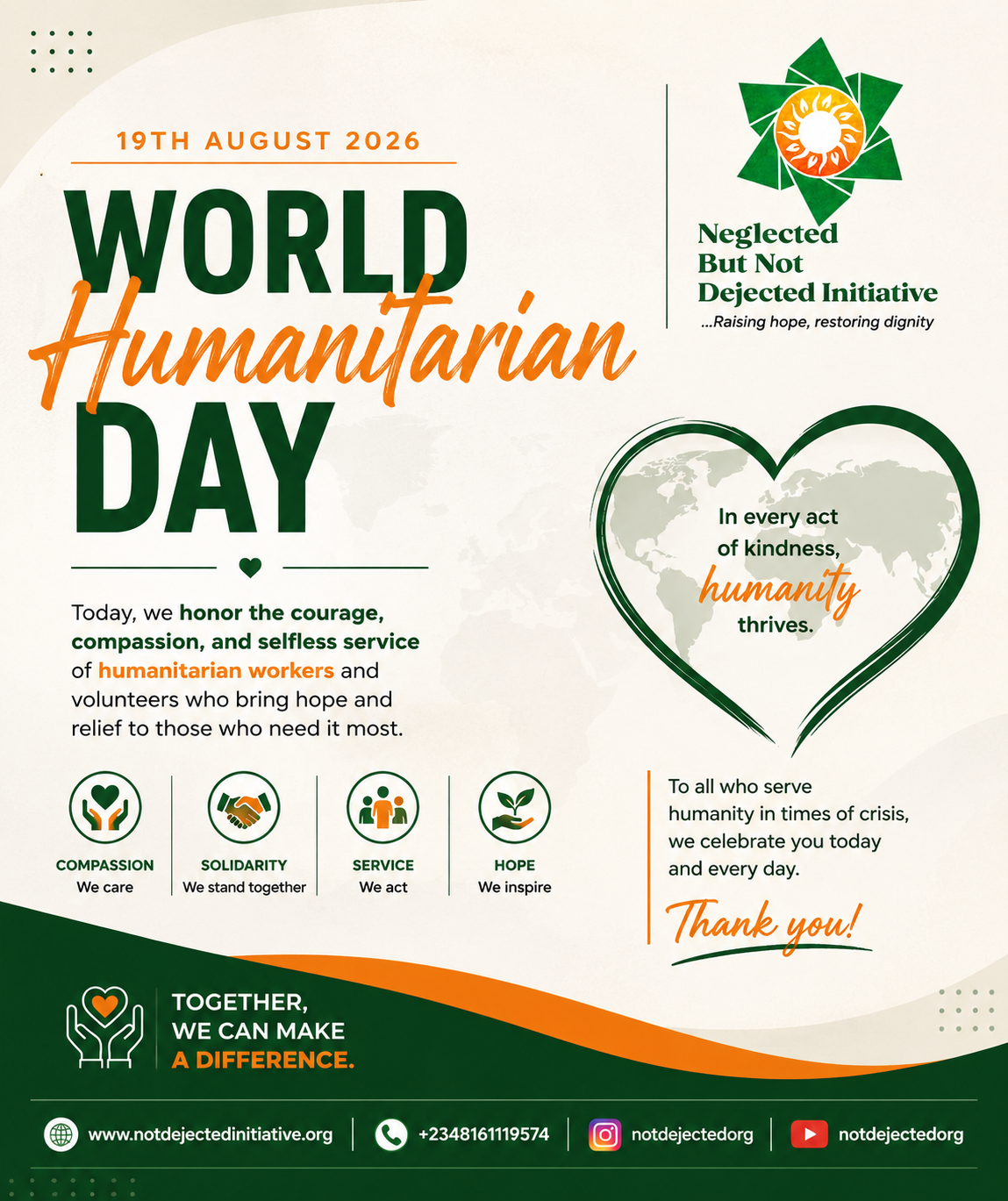
World Humanitarian Day is a time to recognise humanitarian workers, volunteers, partners and organisations supporting people affected by crisis, displacement and hardship. At Neglected But Not Dejected Initiative, we honour their service and reaffirm our commitment to dignity, care and practical support for vulnerable communities.
Read More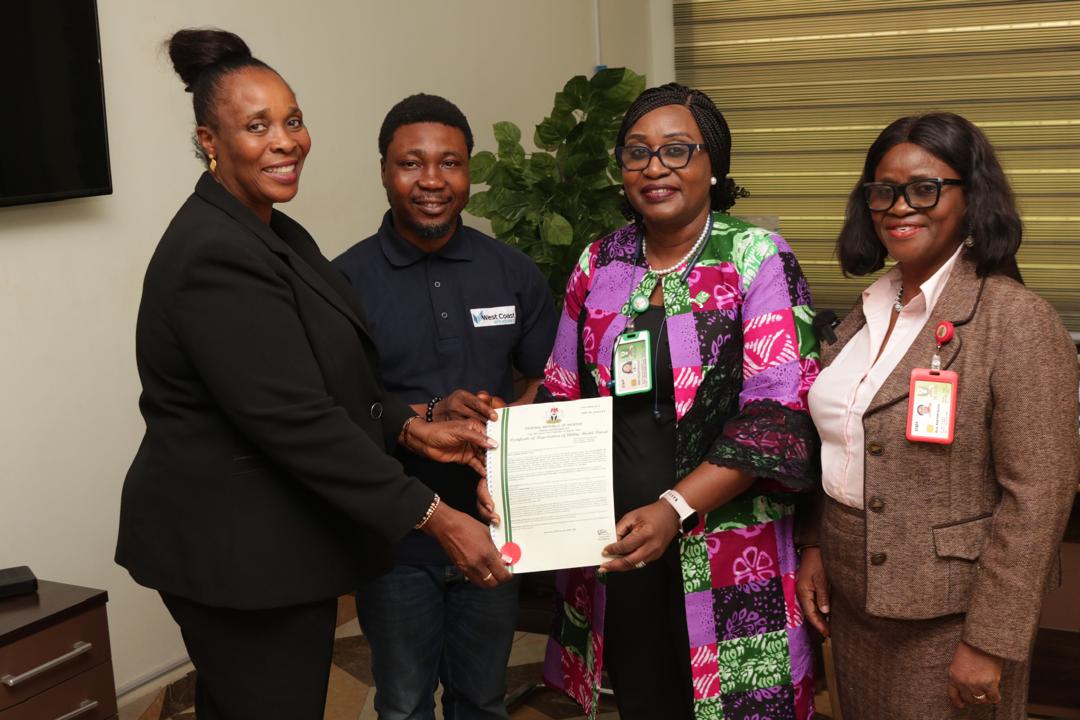
Dr. Saliu Obtained a Certificate of Patency for their innovation titled "Improved Thermoplastic Malleable Slab for Paediatric Leg Deformity Correction in Children with Cerebral Palsy" granted by the Federal Government of Nigeria through the Patents and Designs Registry
Read More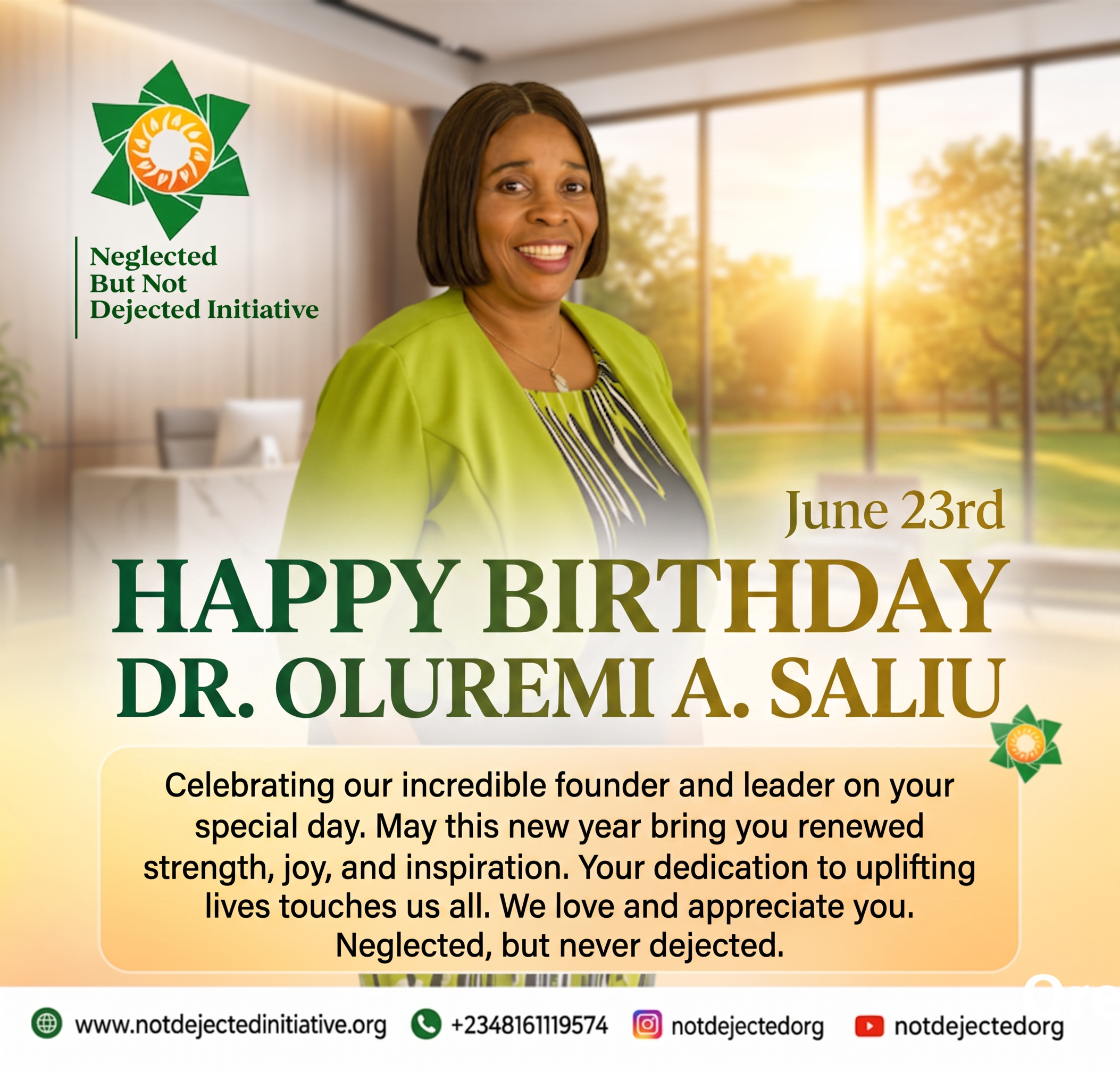
Today, we celebrate the birthday of our Founder, Dr. Oluremi A. Saliu, a woman of faith, compassion, and service. Through her leadership, vision, and unwavering commitment to humanity, countless lives have been touched and transformed through the Neglected But Not Dejected Initiative.
Read More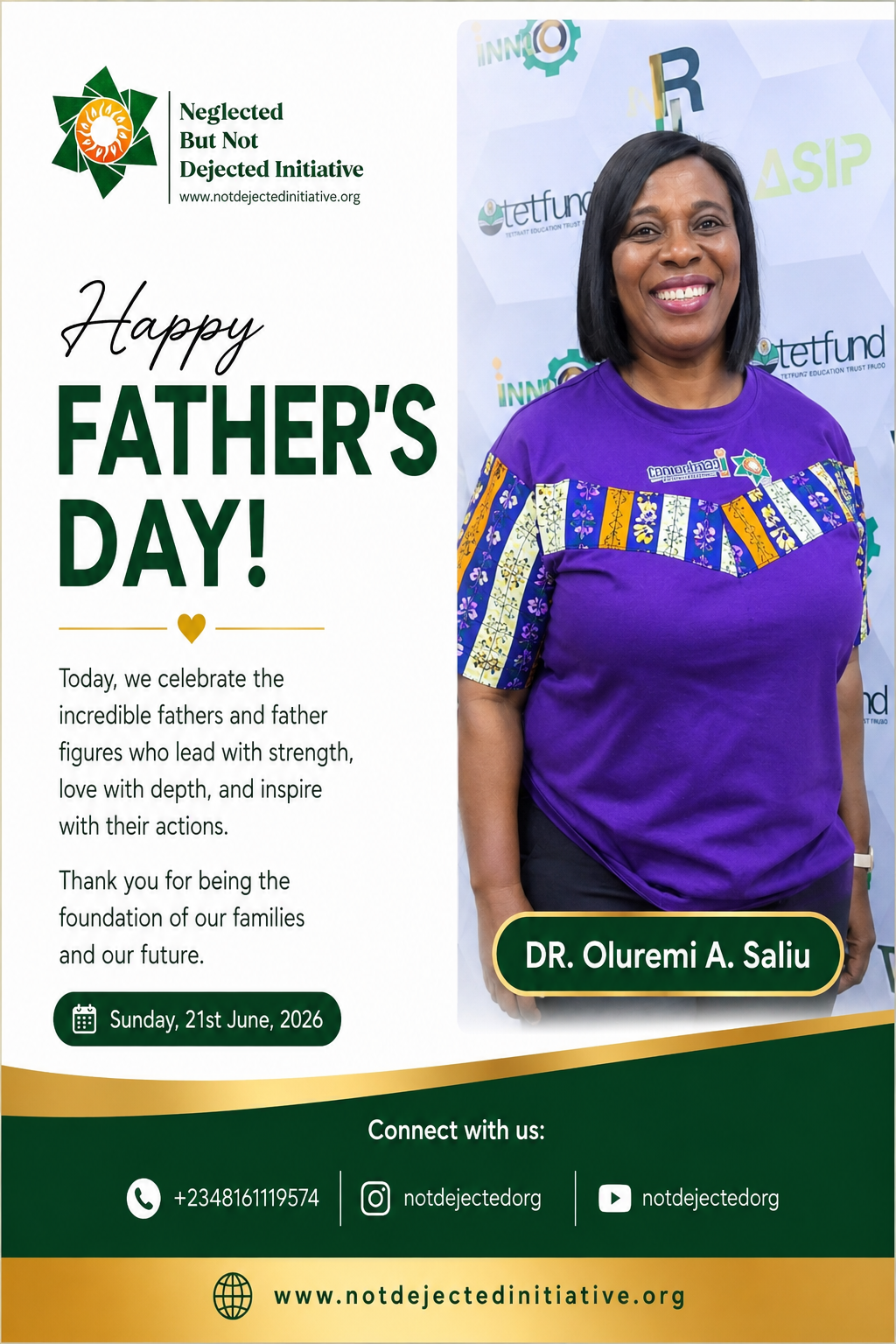
Today, we celebrate fathers and father figures whose love, guidance, sacrifice, and strength shape families and communities. Your dedication, wisdom, and unwavering support inspire generations and leave a lasting impact. Happy Father's Day to all fathers. Thank you for all you do.
Read More
Today, we celebrate the power of democracy and the resilience of the Nigerian people. Let us continue to uphold the values of unity, justice, freedom, and active citizenship as we work together for a stronger and more prosperous nation.
Read More
The photograph shows workers processing animal organs and byproducts within an abattoir during routine slaughter operations.
Read More
A new month brings new opportunities to grow, serve, and make a positive impact. As we begin this journey, may your days be filled with hope, good health, success, and meaningful achievements. Together, let us continue to inspire change, uplift communities, and build a brighter future for all.
Read More
Children’s Day reminds us that every child deserves love, protection, education, and equal opportunities to succeed. As we celebrate this year’s theme, “Future Now: Promoting Inclusion for Every Nigerian Child,” our initiative reaffirms its commitment to supporting vulnerable children living in IDP camps through education support, mentorship, psychosocial care, recreational activities, and community outreach programs. Over the years, we have continued to create safe and inclusive spaces where children can learn, grow, heal, and rediscover hope for a brighter future.
Read More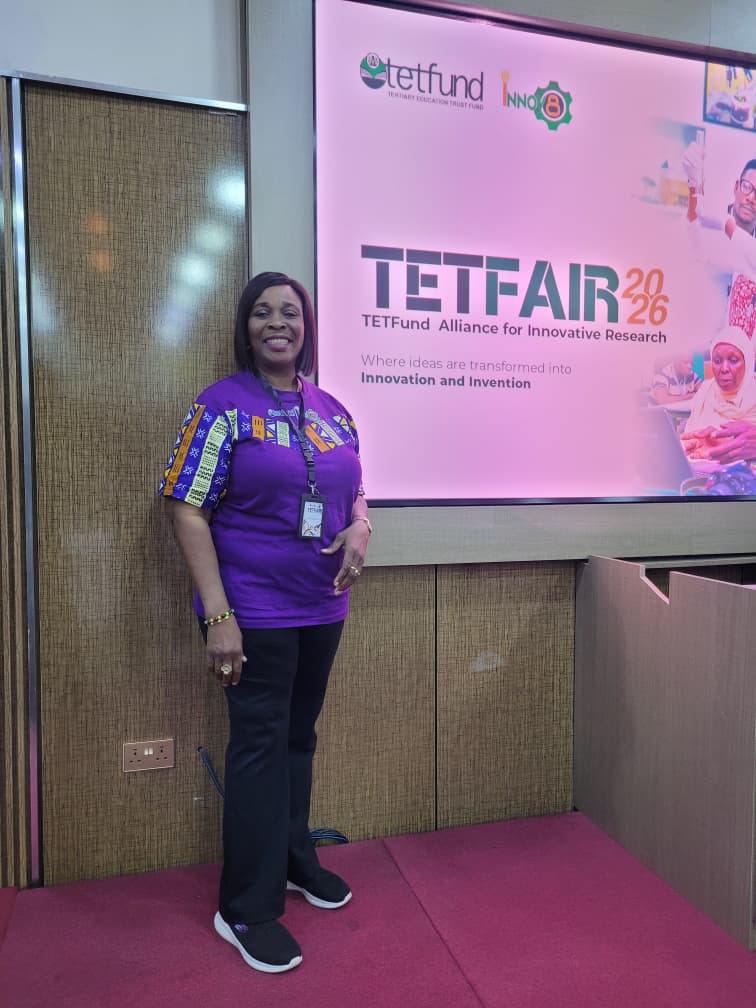
Not Dejected Initiative proudly celebrates the selection of our Founder, Dr. Oluremi A. Saliu with her Team, for the prestigious TETFAIR 2026 programme with innovation titled “Orthopaedic Thermoplastic Slab (OTS) for Children with Cerebral Palsy.” This achievement reflects a strong commitment to healthcare innovation, disability inclusion, and research driven solutions aimed at improving the lives of children living with Cerebral Palsy.
Read More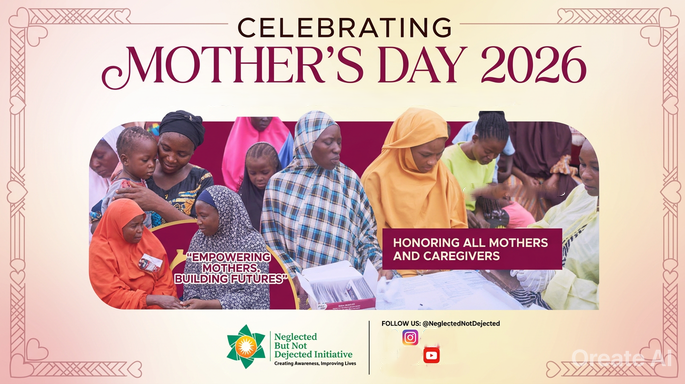
Today, we celebrate the women whose love, sacrifice, and strength continue to hold families and communities together
Read More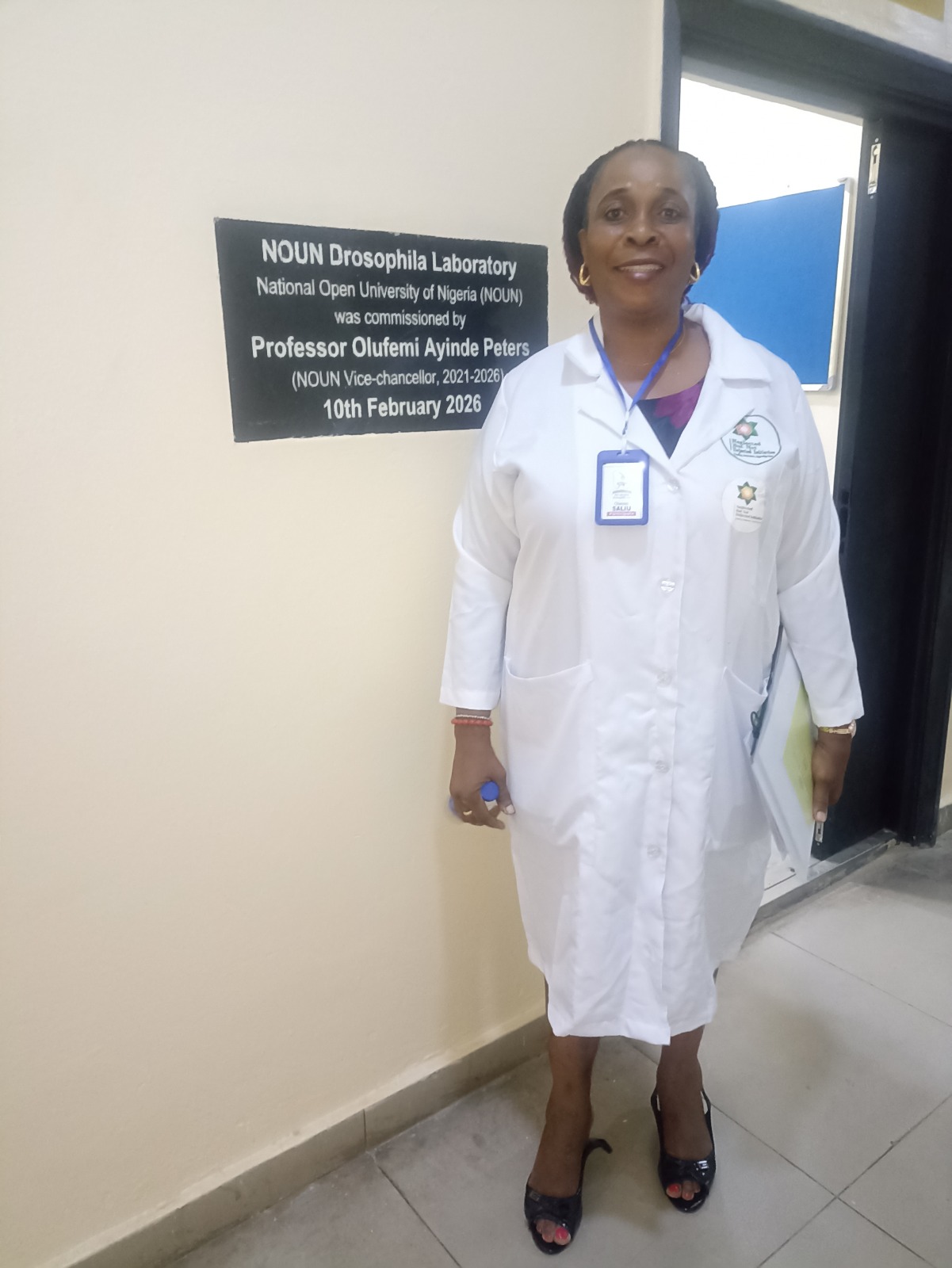
Research on Drosophila melanogaster provides clear insights into disease, nutrition, and environmental health. These findings support practical solutions for vulnerable communities
Read More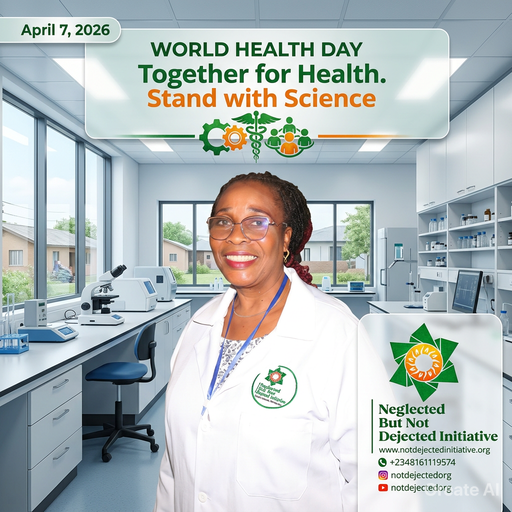
Today marks World Health Day, observed every year on April 7 to raise awareness on key global health issues and promote healthier living for all. This year’s theme, “Together for health. Stand with science,” emphasizes the role of evidence based solutions and collective action in improving health outcomes across communities.
Read More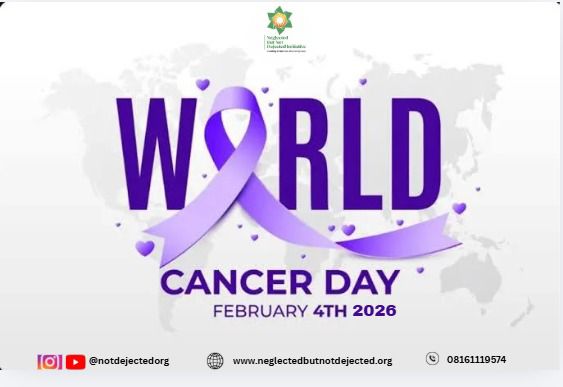
World Cancer Day highlights the urgent need to close the care gap and strengthen cancer prevention efforts, particularly for cervical cancer which is one of the most preventable yet deadly cancers affecting women in low- and middle-income countries. Despite the availability of highly effective HPV vaccines and early screening methods, thousands of women continue to die due to limited awareness, poor access to healthcare, and systemic inequalities. This global observance reminds us that where a person lives should not determine their chances of surviving cancer. Through education, prevention, and equitable healthcare access, we can protect women’s health and significantly reduce preventable cancer deaths.
Read More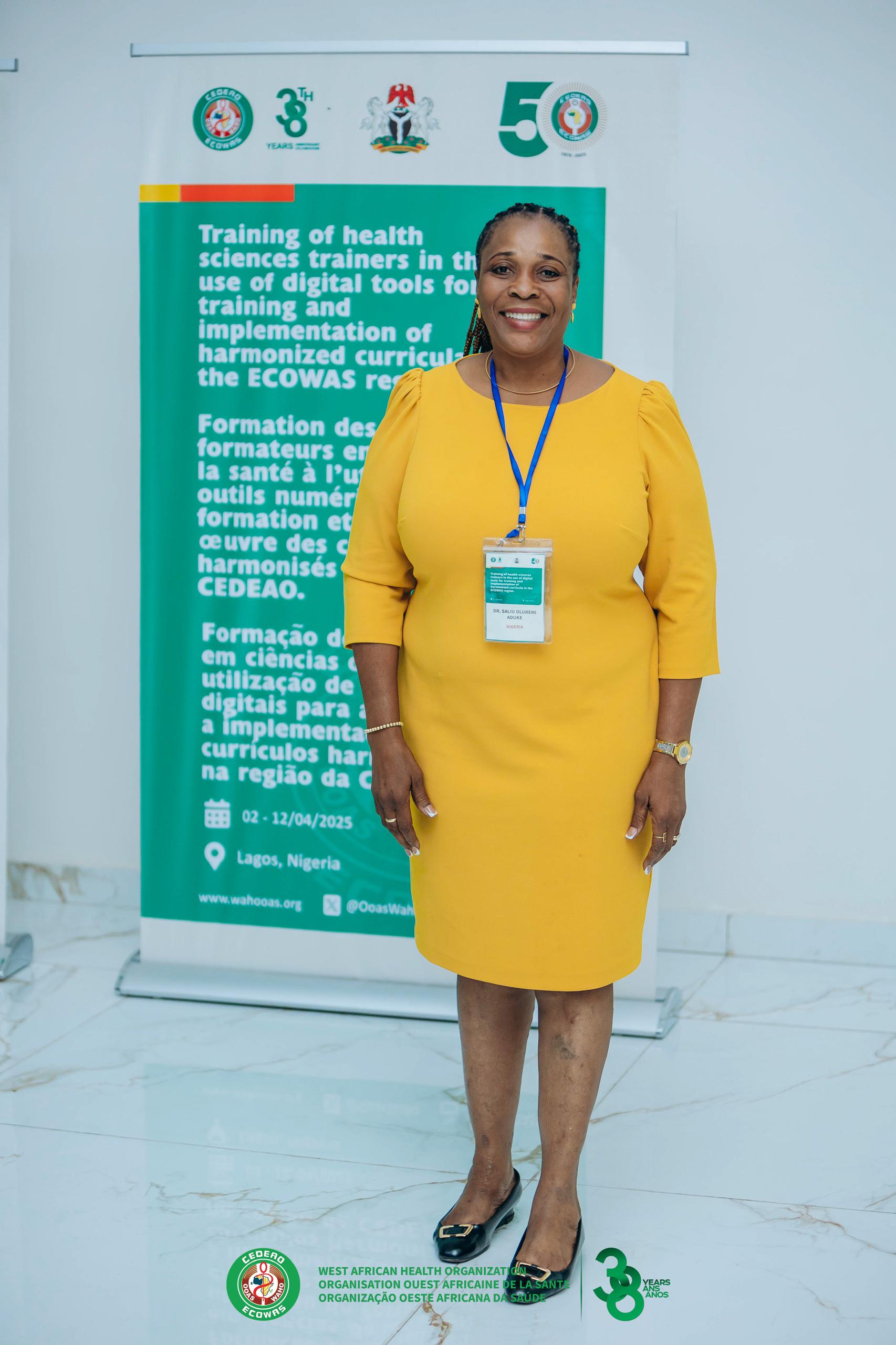
WAHO trained health science educators on the use of digital tools and harmonized curricula to improve the quality and consistency of health training across ECOWAS.
Read More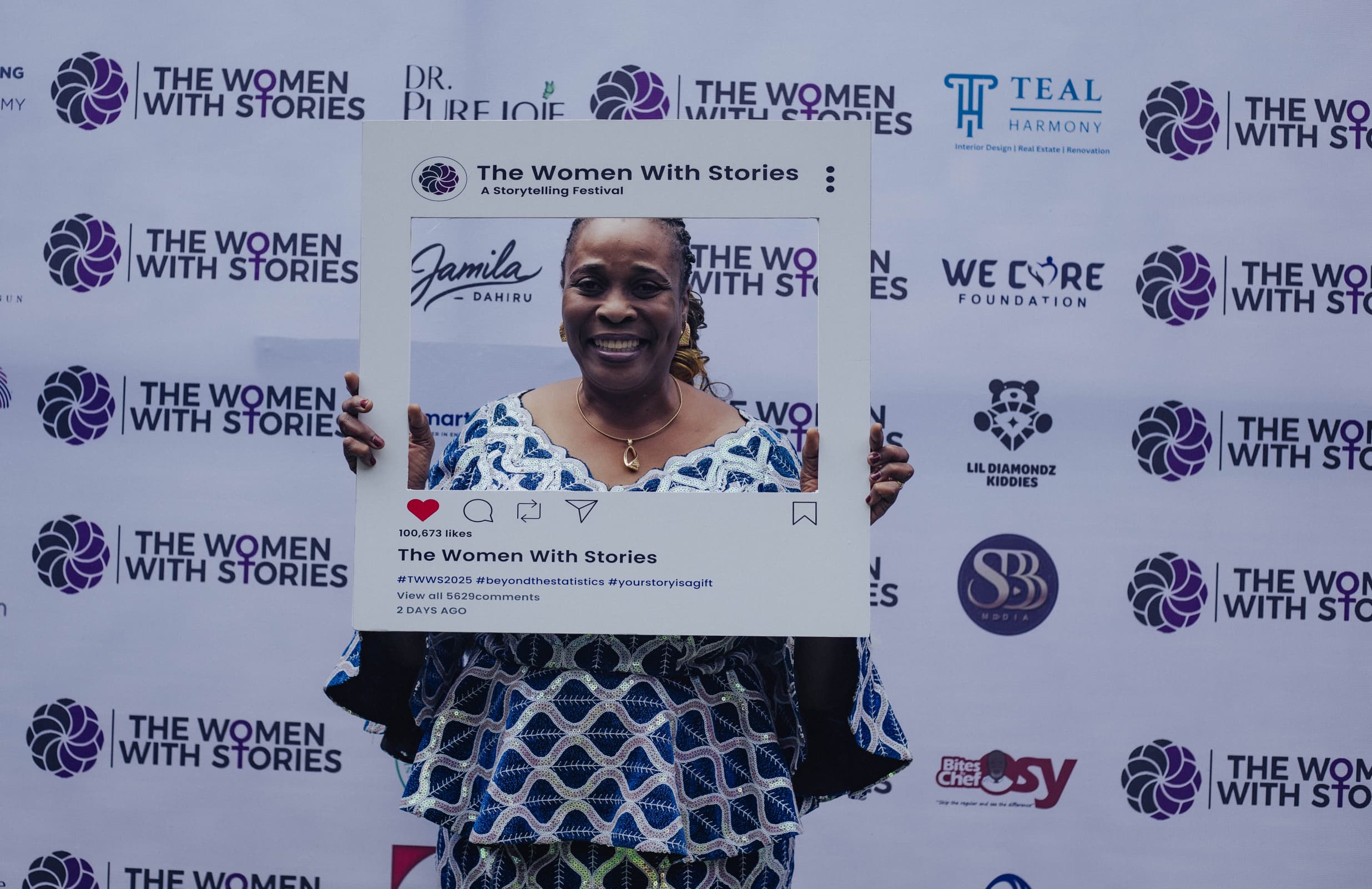
Dr. Oluremi Saliu, Founder of The Not Dejected Initiative, delivered words of encouragement at the Women with Stories Festival 2025 in Abuja. The event was an impactful storytelling gathering convened by Dr. Naomi Osemudia. With the theme “Beyond the Statistics,” the event highlighted the human realities behind data, bringing together women from IDP camps, advocates, and policymakers to amplify lived experiences.
Read More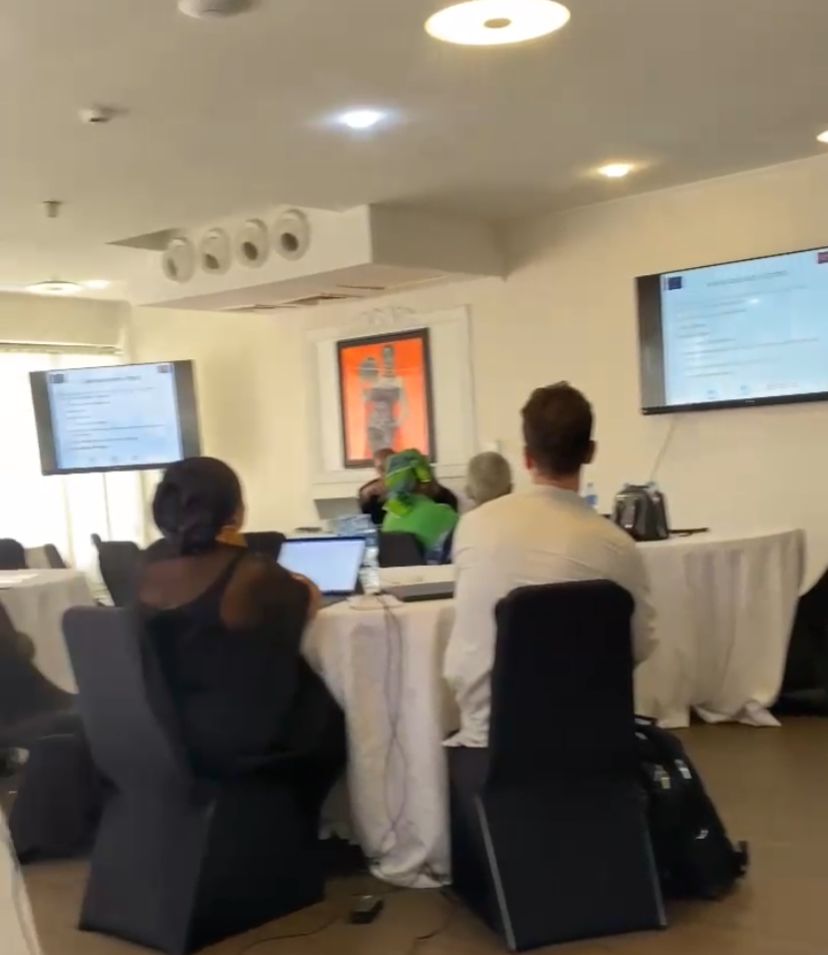
Workshop for Research Project Formulation with UNICEF, WHO, Federal Ministry of Health, EPRD, and GIZ, discussing Sexual and Reproductive Health and Rights (SHR) in Nigeria.
Read More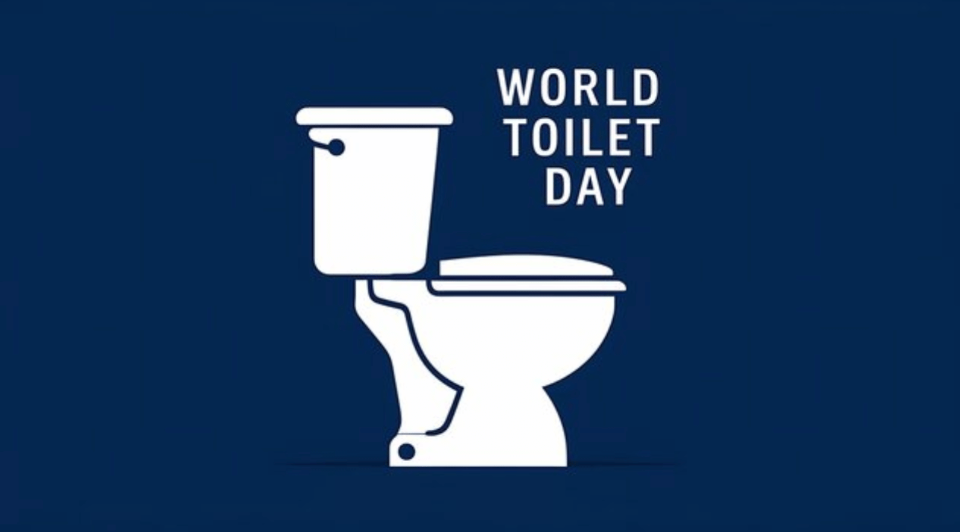
World Toilet Day, observed every November 19, highlights the importance of safe sanitation. Originally established by the World Toilet Organization in 2001 and recognized by the UN in 2013, it sheds light on the global sanitation crisis. Interestingly, the word “toilet” traces back to grooming rituals, evolving from the French word *toilette*. This history reflects how far sanitation has come, and how much further we still need to go to ensure dignity and hygiene for all.
Read More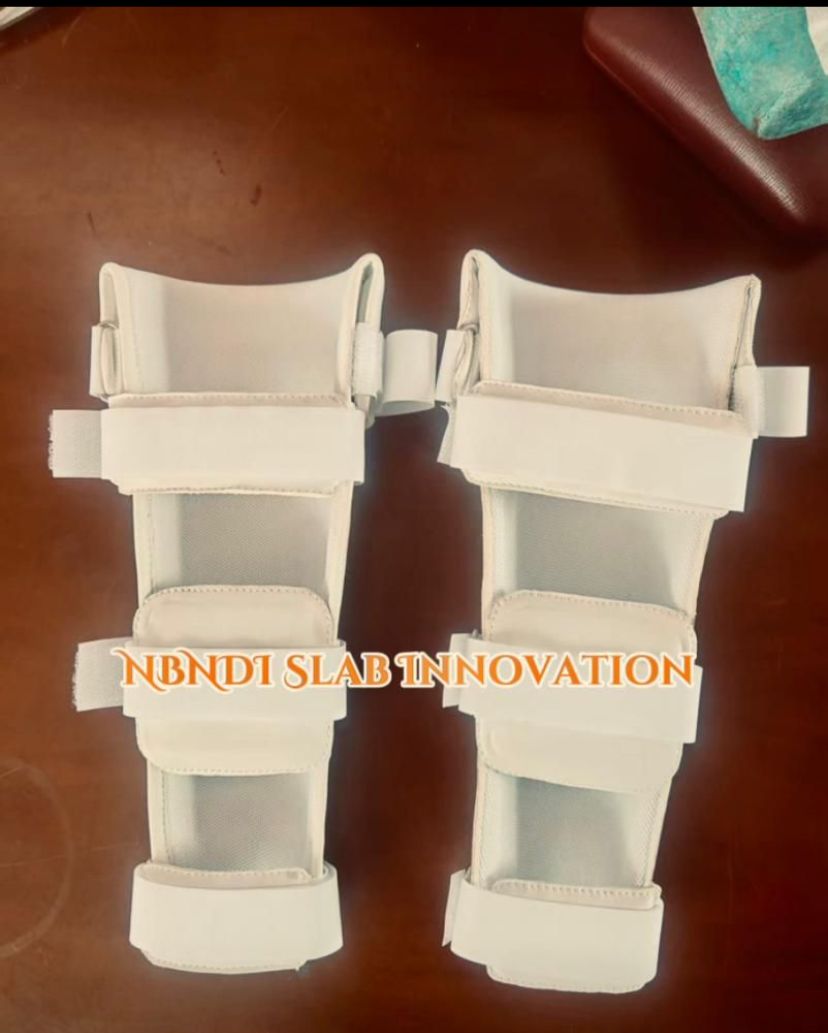
October 6th is observed globally as World Cerebral Palsy Day. On this day, we at The Not Dejected Initiative stand in solidarity with millions around the world to raise awareness, celebrate strength, and advocate for inclusive care for children with CP.
Read More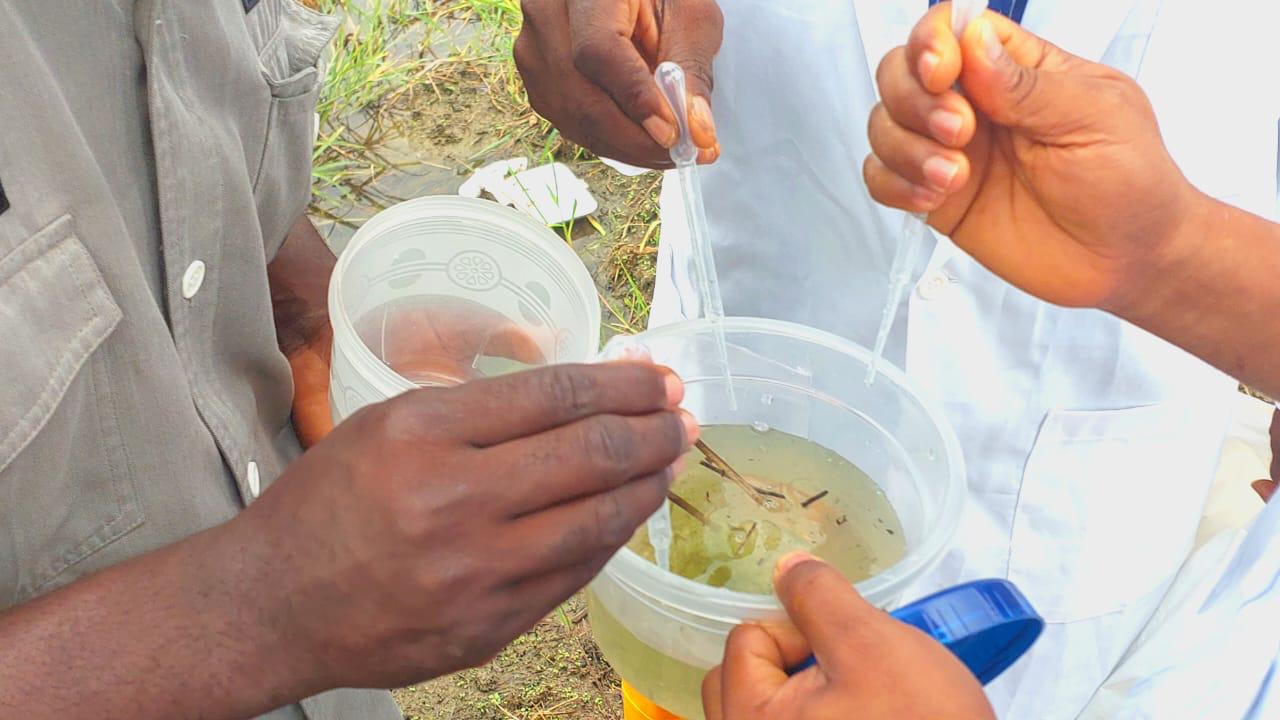
In our quest to combat malaria, our team visited Wassa IDP Camp in Abuja to collect mosquito larvae and engage the community in a groundbreaking effort toward larval control. This research marks a critical step in developing innovative, sustainable solutions to prevent malaria in vulnerable communities.
Read More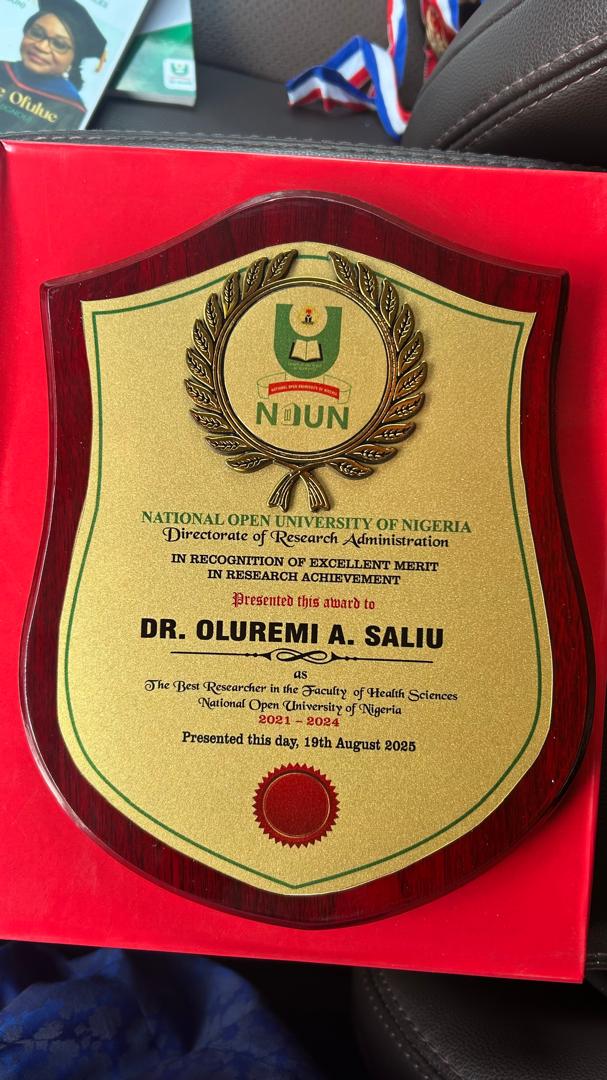
Dr. Oluremi A. Saliu, CEO of Neglected but Not Dejected Initiative, was honored as Best Researcher in the Faculty of Health Sciences at NOUN on August 19, 2025, recognizing her outstanding contributions to health research and innovation.
Read More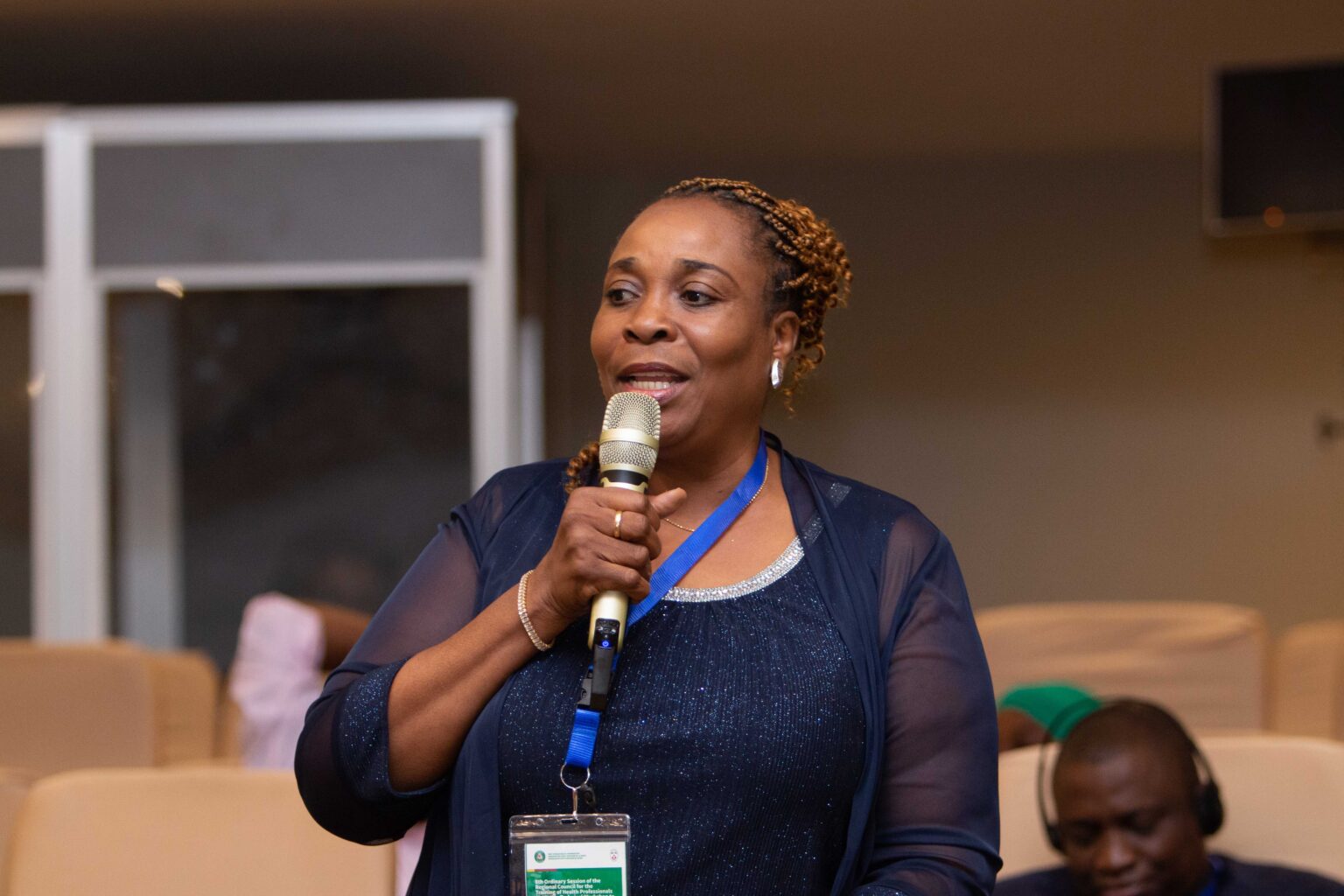
Technical Session held in the Togolese Republic to align the contents of the Harmonized Basic and Specialist Training Curricula of WAHO in the three official ECOWAS languages - English, French, and Portuguese. It also contributed to the workshop focused on developing a competency framework (Trainer’s Guide) for educators in Health Sciences across the ECOWAS region. These sessions aimed to promote the recognition of diplomas and ensure curriculum alignment across disciplines, equipping trainers with the knowledge and tools required to support students using WAHO’s harmonized curricula. Participants collaboratively reviewed and updated electronic documents, addressed gaps, and reached consensus on key implementation strategies. The workshop concluded with strong stakeholder engagement and a shared commitment to strengthening health education standards across West Africa.
Read More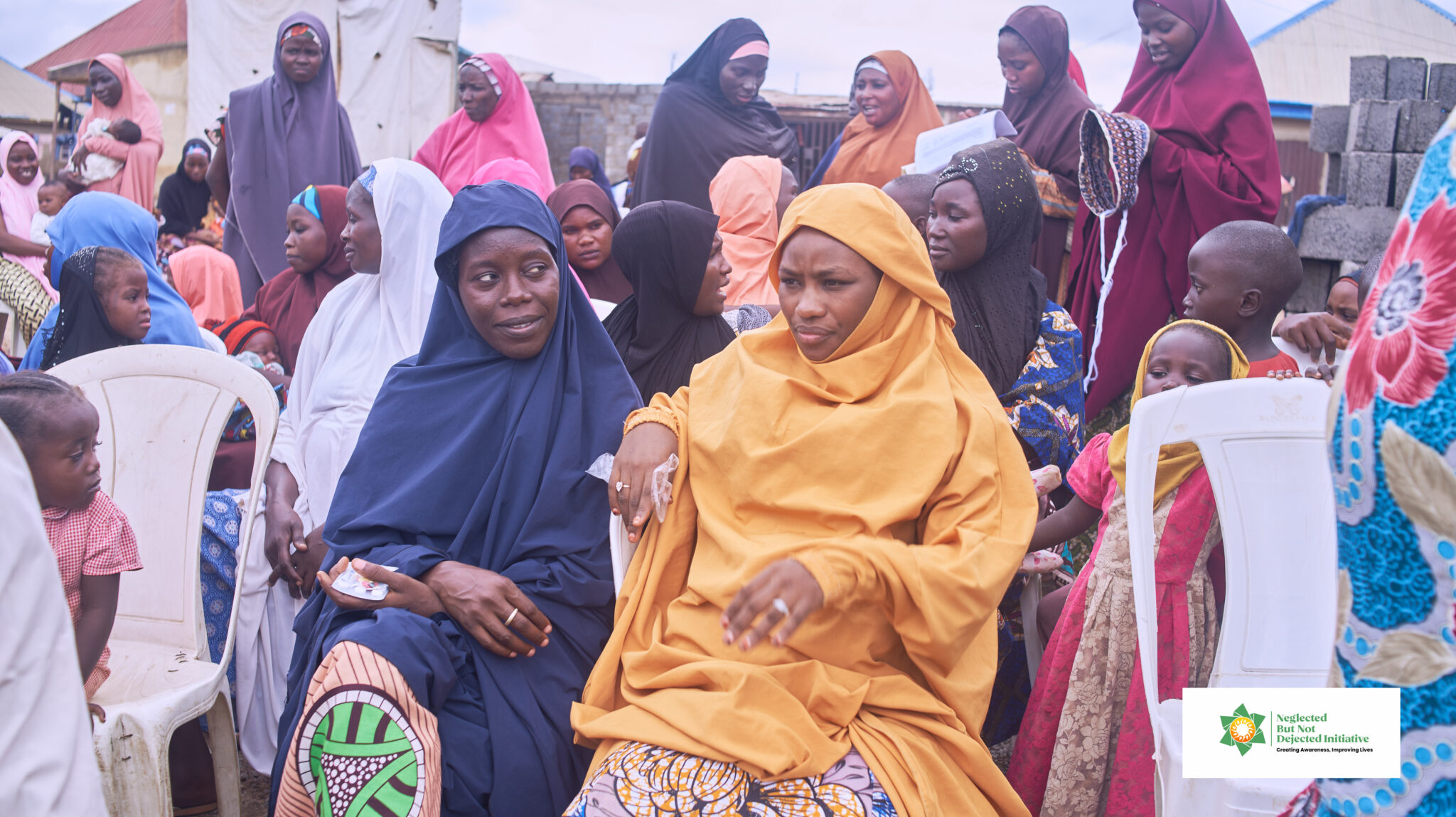
Every year on October 15, the world observes the International Day for Rural Women, a day set aside to celebrate the vital role women play in sustaining rural communities. Rural women are often the backbone of agriculture and food security, working tirelessly to ensure food production, manage natural resources, and support their families’ well-being. Their contributions not only Strengthen local economies but also drive community development and resilience.
Read More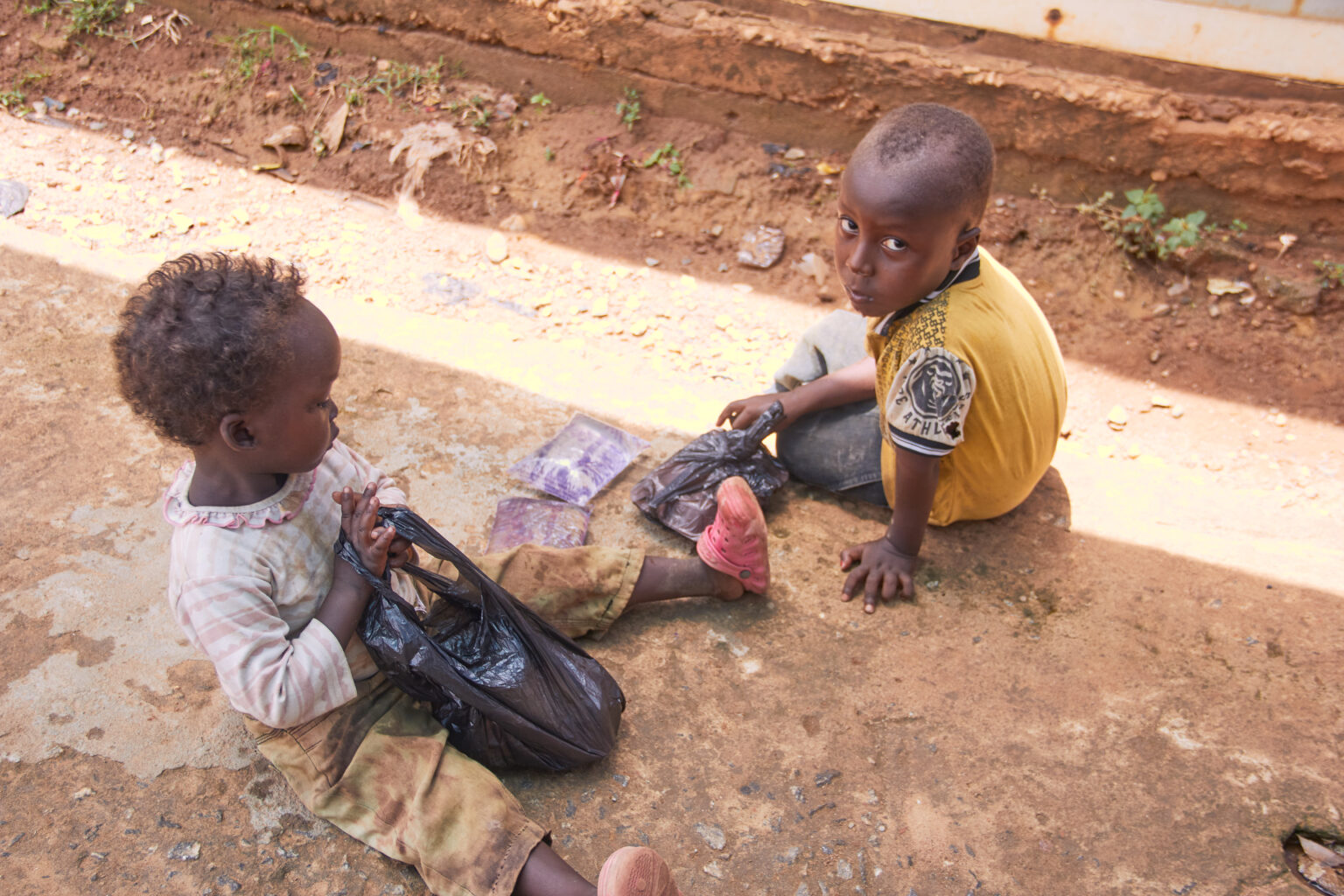
Cholera, caused by the Vibrio cholerae bacterium, is a waterborne disease that spreads primarily through contaminated food, water, and poor sanitation. Despite progress in healthcare and sanitation over the years, it remains a serious public health concern worldwide. The disease continues to thrive in regions where access to clean water and proper hygiene is limited, highlighting the urgent need for improved infrastructure, awareness, and preventive measures.
Read More