World Cancer Day: Closing the Care Gap and Protecting Women from Cervical Cancer
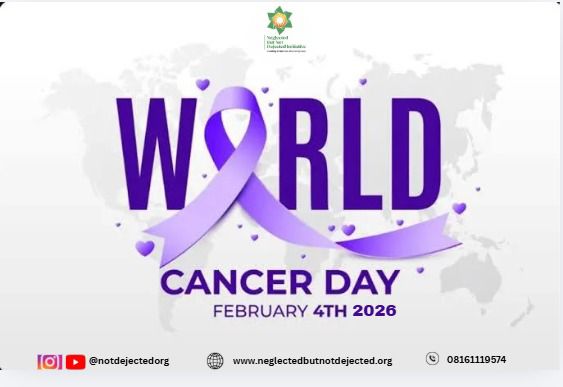
World Cancer day is normally celebrated on 4th
of February every year. It is a global movement dedicated to raising awareness,
improving education, and inspiring action in the fight against cancer (UICC,
n.d). Spearheaded by the Union for International Cancer Control (UICC), this
day serves as a powerful reminder that millions of cancer deaths are
preventable through early detection, equitable healthcare access, and informed
communities.
Cancer is not a single disease but a broad group of
conditions characterized by the uncontrolled growth of abnormal cells in the
body. These cells can invade surrounding tissues and spread to distant organs,
leading to severe illness and death if left untreated. Some of the most common
cancers globally include breast, lung, prostate, colorectal, liver, blood
cancers such as leukemia, and cervical cancer. While the causes vary, many
cancers are linked to lifestyle factors such as tobacco use, unhealthy diets,
physical inactivity, harmful alcohol consumption, and environmental exposures.
Others are caused by infections, including Hepatitis viruses and the Human
Papillomavirus (HPV) (WHO,2023). Despite medical advancements, cancer continues
to disproportionately affect low and middle income countries, where limited
healthcare infrastructure, poor screening coverage, and late diagnosis
significantly increase mortality rates. This gap in care is one of the central
themes of World Cancer Day emphasizing that where a person lives should not
determine whether they survive cancer.
Among the many forms of cancer, cervical cancer
stands out as one of the most preventable and treatable, yet it remains a
leading cause of cancer-related deaths among women in Africa and other
developing regions. Cervical cancer is primarily caused by persistent infection
with high-risk strains of HPV, a very common sexually transmitted virus. Most
people contract HPV at some point in their lives, but in some women, the
infection persists and gradually leads to precancerous changes and eventually
cancer of the cervix. What makes cervical cancer particularly tragic is that it
can be stopped before it begins. Highly effective HPV vaccines can prevent the
majority of cases when administered to girls between the ages of nine and
fourteen. In addition, regular screening methods such as Pap smear tests, HPV
testing, and visual inspection of the cervix can detect abnormal changes early,
allowing for simple treatment long before cancer develops. Yet thousands of women continue to die each
year due to lack of awareness, limited access to vaccines, cultural barriers,
and poor healthcare services.
According
to the World Health Organization (WHO), in
2022, approximately 94% of
the 350,000 deaths in low and middle-income countries are caused by cervical
cancer. The fight
against cancer is not solely the responsibility of hospitals and governments.
Individuals can take meaningful steps by embracing healthier lifestyles,
seeking routine health checks, avoiding tobacco use, and encouraging loved ones
to get screened and vaccinated. Communities and civil society organizations
play an equally vital role by creating awareness, breaking stigma around
reproductive health, advocating for affordable care, and bringing screening
services closer to underserved populations.
At Not Dejected Initiative, we recognize that health
education and access are powerful tools for transformation. By engaging women
and young girls in vulnerable communities, particularly in displaced
populations, we strive to promote preventive healthcare practices and empower
individuals with the knowledge needed to protect their well-being.
World Cancer Day calls on us to act collectively, to educate, to advocate, and to invest in prevention. It is a reminder that awareness can lead to early detection, early detection leads to survival, and equitable healthcare leads to stronger communities. As we work toward closing the cancer care gap, let us commit to protecting women’s health, supporting preventive measures, and ensuring that no one is left behind in the fight against cancer.
References
1.
World Health Organization (2022). Cancer
Fact Sheets. https://www.who.int/news-room/fact-sheets/detail/cancer
2. World Health Organization (2023). Global
Strategy to Eliminate Cervical Cancer. https://www.who.int/initiatives/cervical-cancer-elimination-initiative
3.
Union for International Cancer Control
(UICC). World Cancer Day. https://www.worldcancerday.org
4. Zhang, Y., Fan, Z., Wang, J., Guan, B.,
Zhou, F., Tang, Z., … Huang, A. (2025). HPV vaccination, screening disparities,
and the shifting landscape of cervical cancer burden: a global analysis of
trends, inequalities, and policy implications. BMC Women’s Health, 25(1), 285. https://doi.org/10.1186/s12905-025-03841-w
5. Petersen, Z., Jaca, A., Ginindza, T. G.,
et al. (2022). Barriers to uptake of cervical cancer screening services in
low-and-middle-income countries: a systematic review. BMC Women’s Health, 22,
486. https://doi.org/10.1186/s12905-022-02043-y
6. Drokow, E. K., Effah, C. Y., Agboyibor,
C., et al. (2021). The state of cervical cancer screening and HPV vaccination
in Africa: in the advent of advanced health care. Journal of Biomedical
Research and Environmental Sciences, 2(10), 985–998. https://doi.org/10.37871/jbres1341.php
7. Black, E., & Richmond, R. (2018).
Prevention of cervical cancer in sub-Saharan Africa: The advantages and
challenges of HPV vaccination. Vaccines, 6(3), 61. https://doi.org/10.3390/vaccines6030061
8.
Ndubuisi, C. C., Maphasha, O., &
Okeke, S. O. (2024). Knowledge and awareness of cervical cancer and human
papillomavirus vaccination among female university students. South African
Family Practice, 66(1).
9.
Zhang, J., Ke, Y., Chen, C., Jiang, Z.,
et al. (2025). HPV cancer burden by anatomical site, country, and region in
2022. Scientific Reports, 15, Article 21048. https://doi.org/10.1038/s41598-025-06700-8