Witness the impact of our initiatives through these moments captured in the field

Not Dejected Initiative founder, Dr. Oluremi Aduke Saliu (Left) Attended 2026 NBTE Conference at Kaduna alongside Dr. Yakubu Mohammed Baba (Middle), the substantive Registrar and Chief Executive Officer (CEO) of the Environmental Health Council of Nigeria (EHCON).

Not Dejected Initiative proudly celebrates the selection of our Founder, Dr. Oluremi A. Saliu with Team, for the prestigious TETFAIR 2026 programme with their innovation titled “Orthopaedic Thermoplastic Slab (OTS) for Children with Cerebral Palsy.” This achievement reflects a strong commitment to healthcare innovation, disability inclusion, and research driven solutions aimed at improving the lives of vulnerable children.
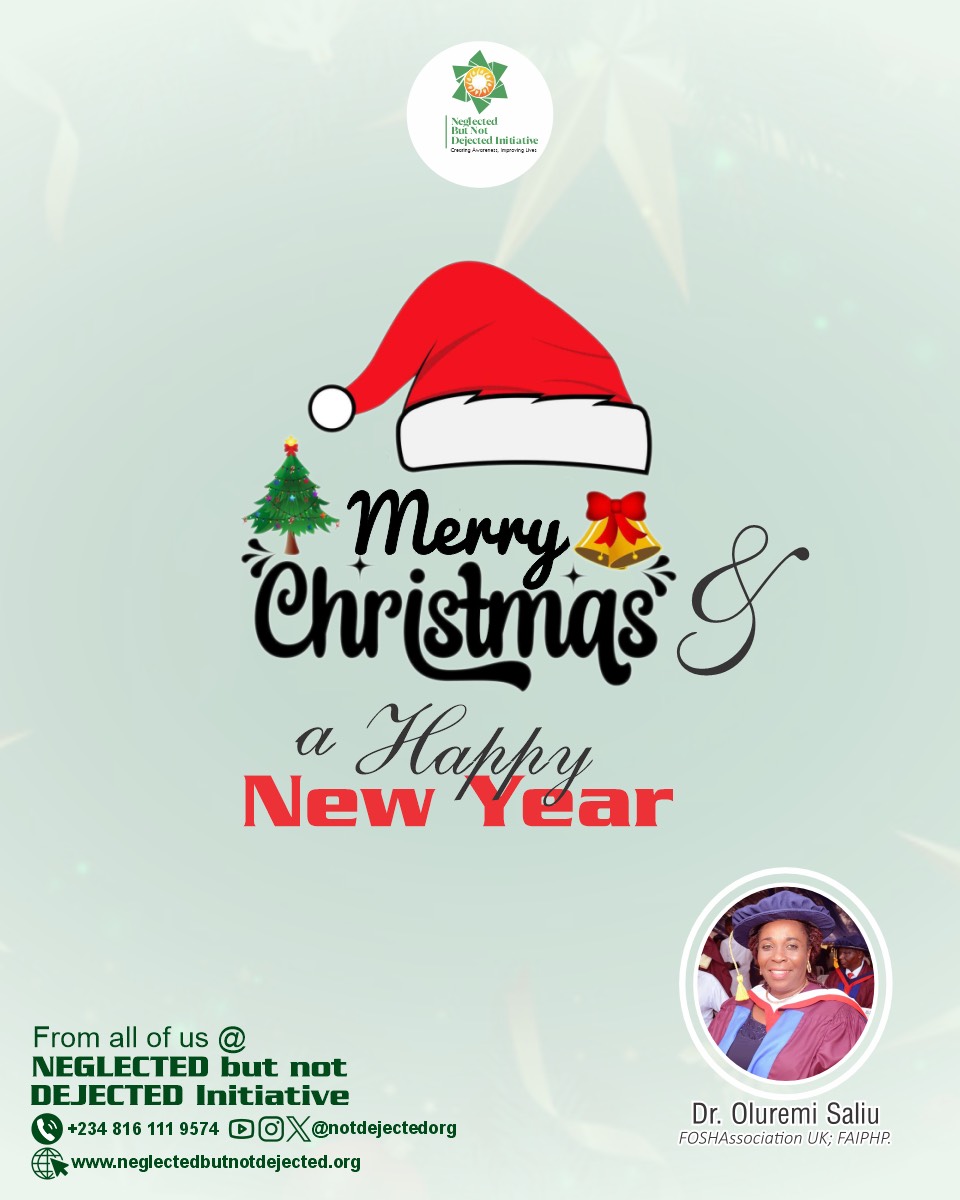
As we step into the New Year, we reflect with gratitude on the progress made and the lives touched over the past year. The journey has not always been easy, but together we have continued to give hope, amplify voices, and improve lives. The New Year brings renewed opportunities to deepen our impact, expand our reach, and strengthen our commitment to health, dignity, and social inclusion for the neglected and displaced people in Nigeria. At Neglected But Not Dejected Initiative, we remain dedicated to innovation, capacity building, and collaborative action that drives lasting change in our community. We sincerely thank our partners, supporters, volunteers, and communities for standing with us. As we move forward, may the New Year bring peace, good health, and shared success for us all. Happy New Year!
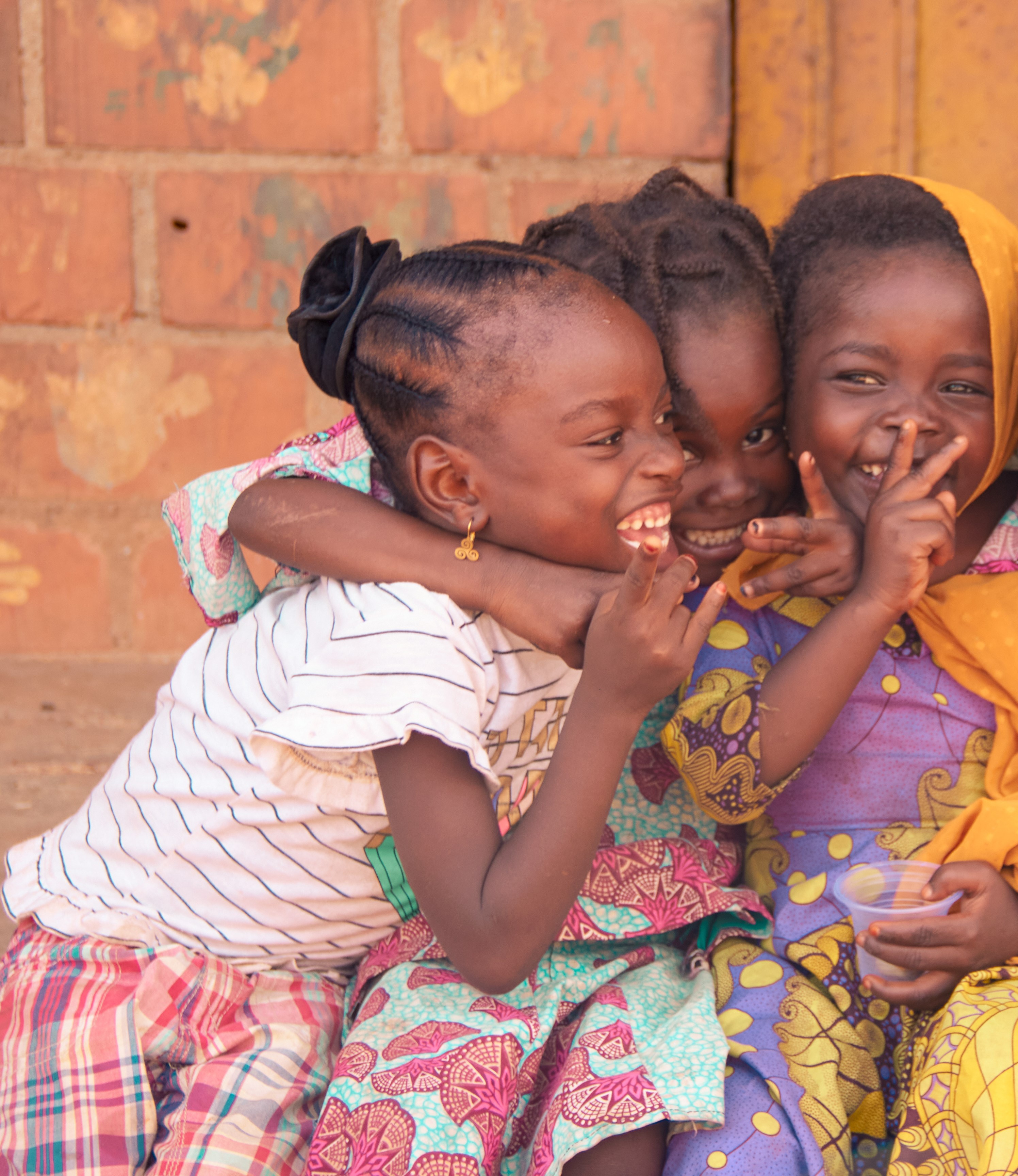
Across Nigeria’s Internally Displaced Persons (IDP) camps, young girls confront some of the harshest realities of conflict and displacement. This includes limited access to education, the threat of child marriage, gender-based violence, inadequate healthcare, and deep emotional trauma. Despite these challenges, many girls fight for an education in makeshift classrooms, access safe spaces created by humanitarian organizations, and push forward with vocational training that offers a glimpse of independence. We urge us to recognize the girls who continue to dream, learn, and rebuild their lives amid displacement, and to support efforts that protect their rights, amplify their voices, and unlock their full potential.
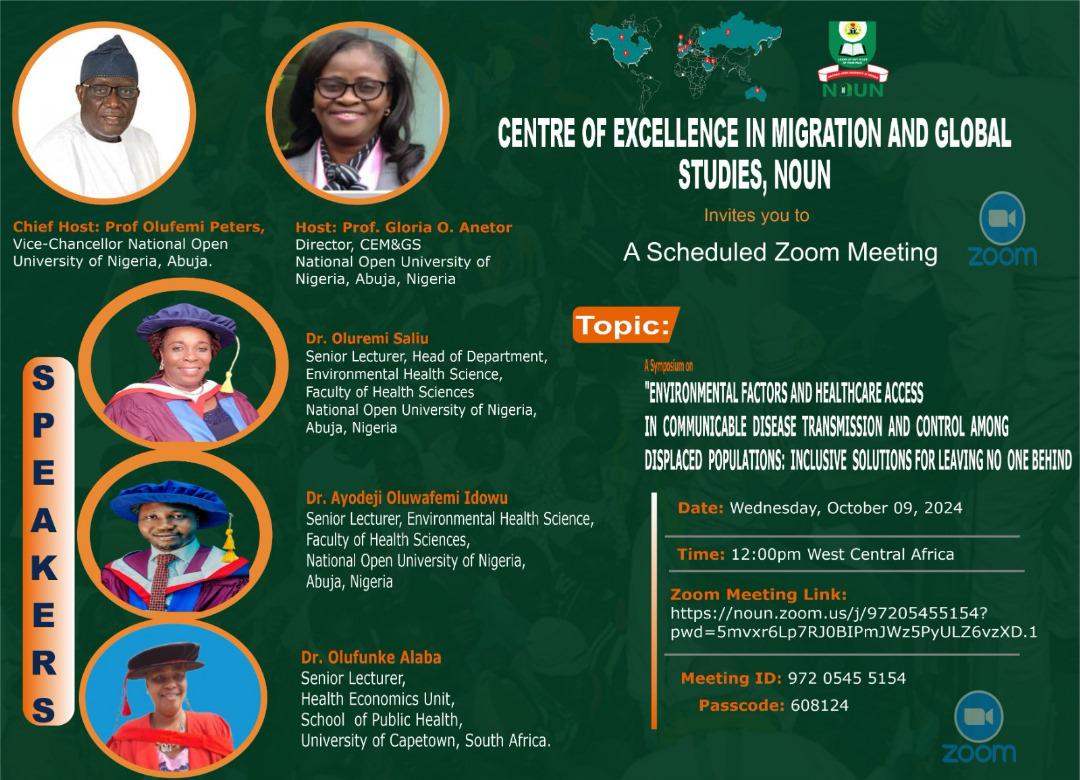
This impactful symposium brought together experts, policymakers, and advocates to address the urgent health challenges facing displaced populations worldwide. Focusing on the role of environmental factors and healthcare accessibility in the spread and control of communicable diseases. Through keynote addresses, panel discussions, and interactive sessions, attendees explored innovative strategies to bridge healthcare gaps and manage disease transmission in crisis-affected areas. The symposium highlighted collaborative approaches, shared best practices, and developed actionable steps to ensure that healthcare systems can adapt to support displaced communities effectively, fostering resilience and equity in global health. In alignment with our mission, this event emphasized the importance of leaving no one behind in the fight against communicable diseases, promoting a future where healthcare access is a universal right for all populations, regardless of circumstance. 9th October,2024
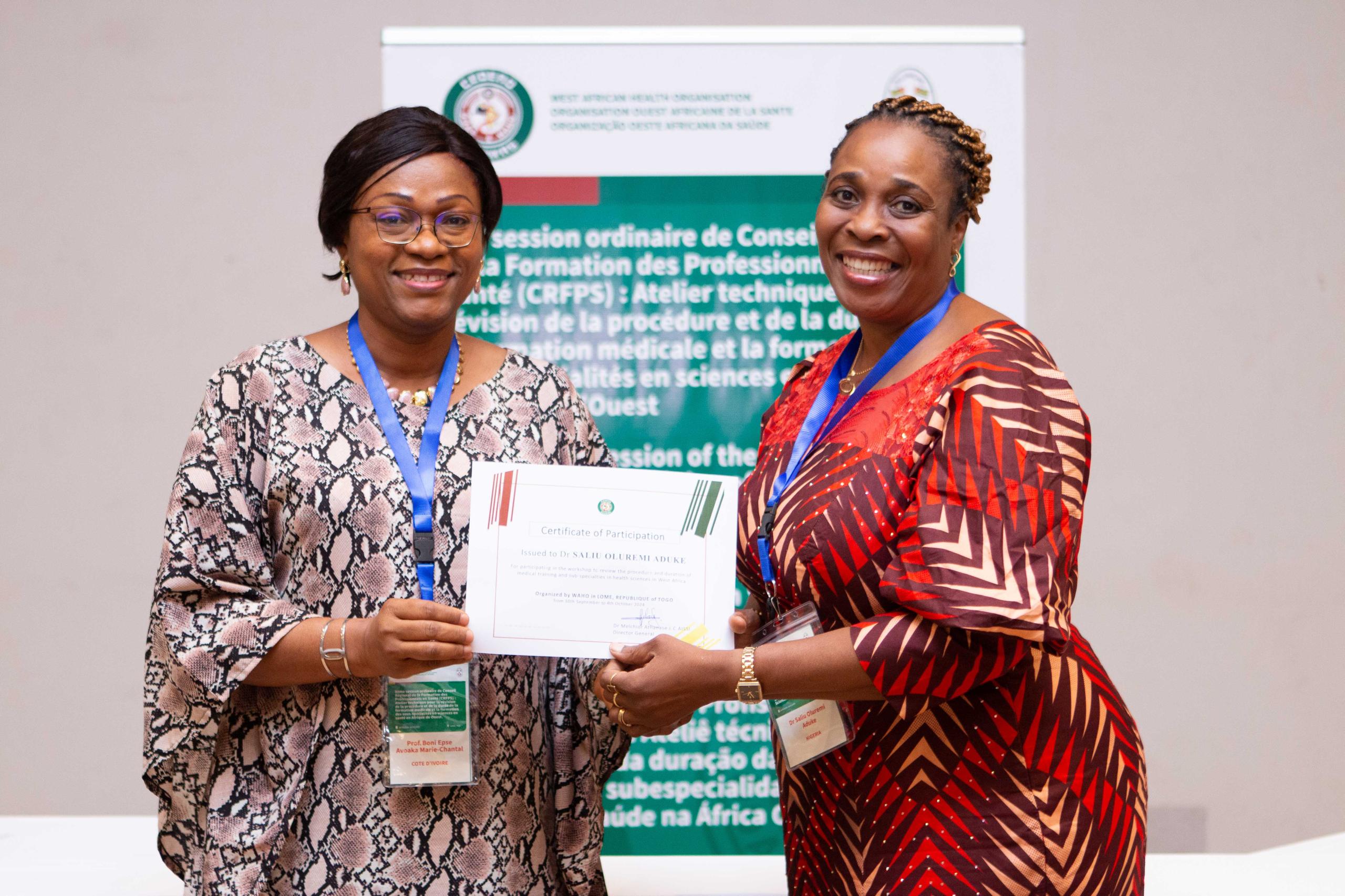
Technical Session held in the Togolese Republic to align the contents of the Harmonized Basic and Specialist Training Curricula of WAHO in the three official ECOWAS languages - English, French, and Portuguese. It also contributed to the workshop focused on developing a competency framework (Trainer’s Guide) for educators in Health Sciences across the ECOWAS region. These sessions aimed to promote the recognition of diplomas and ensure curriculum alignment across disciplines, equipping trainers with the knowledge and tools required to support students using WAHO’s harmonized curricula. Participants collaboratively reviewed and updated electronic documents, addressed gaps, and reached consensus on key implementation strategies. The workshop concluded with strong stakeholder engagement and a shared commitment to strengthening health education standards across West Africa.