

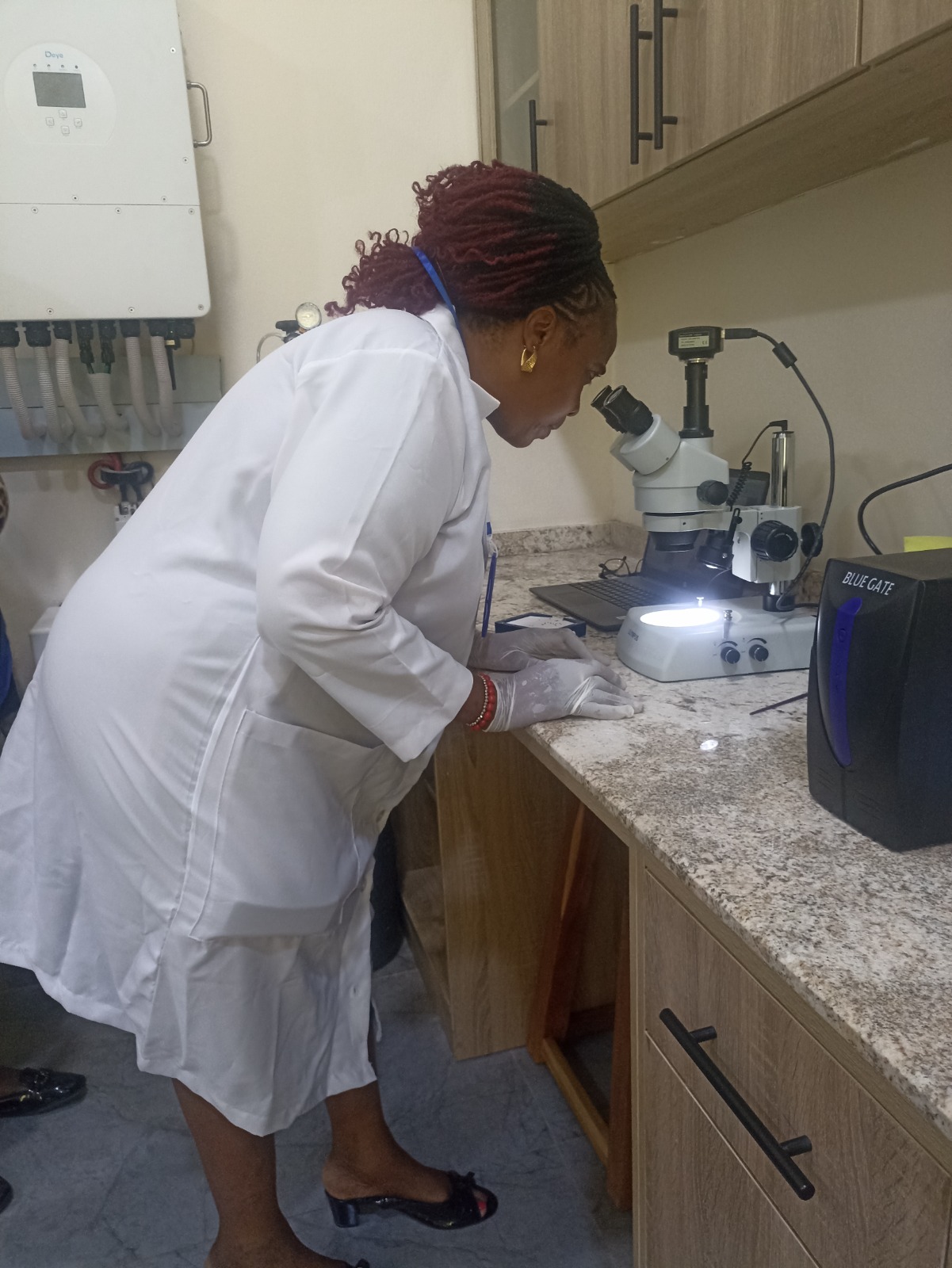
Drosophila, widely
known as the fruit fly, stands as one of the most important organisms in modern
science. Despite its small size, it has shaped major discoveries in genetics,
biology, and medicine for over a century.
The foundation of
this work traces back to scientists like Thomas Hunt Morgan, whose discoveries
shaped modern genetics. Today, those same principles guide public health
strategies across the world. Researchers value Drosophila for good reasons. It
has a short life cycle of about 10 days, produces many offspring, and shares
nearly 60 percent of its genes with humans. These features allow scientists to
study inheritance, mutations, and disease patterns in a controlled and
efficient way.
Drosophila remains
one of the most studied organisms in science. It helps researchers understand
how diseases develop, spread, and respond to treatment. Many findings from
Drosophila studies apply directly to human health. This includes work on
infections, nutrition, immunity, and environmental stress.
In IDP camps,
people face high exposure to poor sanitation, malnutrition, and infectious
diseases. Research using Drosophila supports practical insights in these areas:
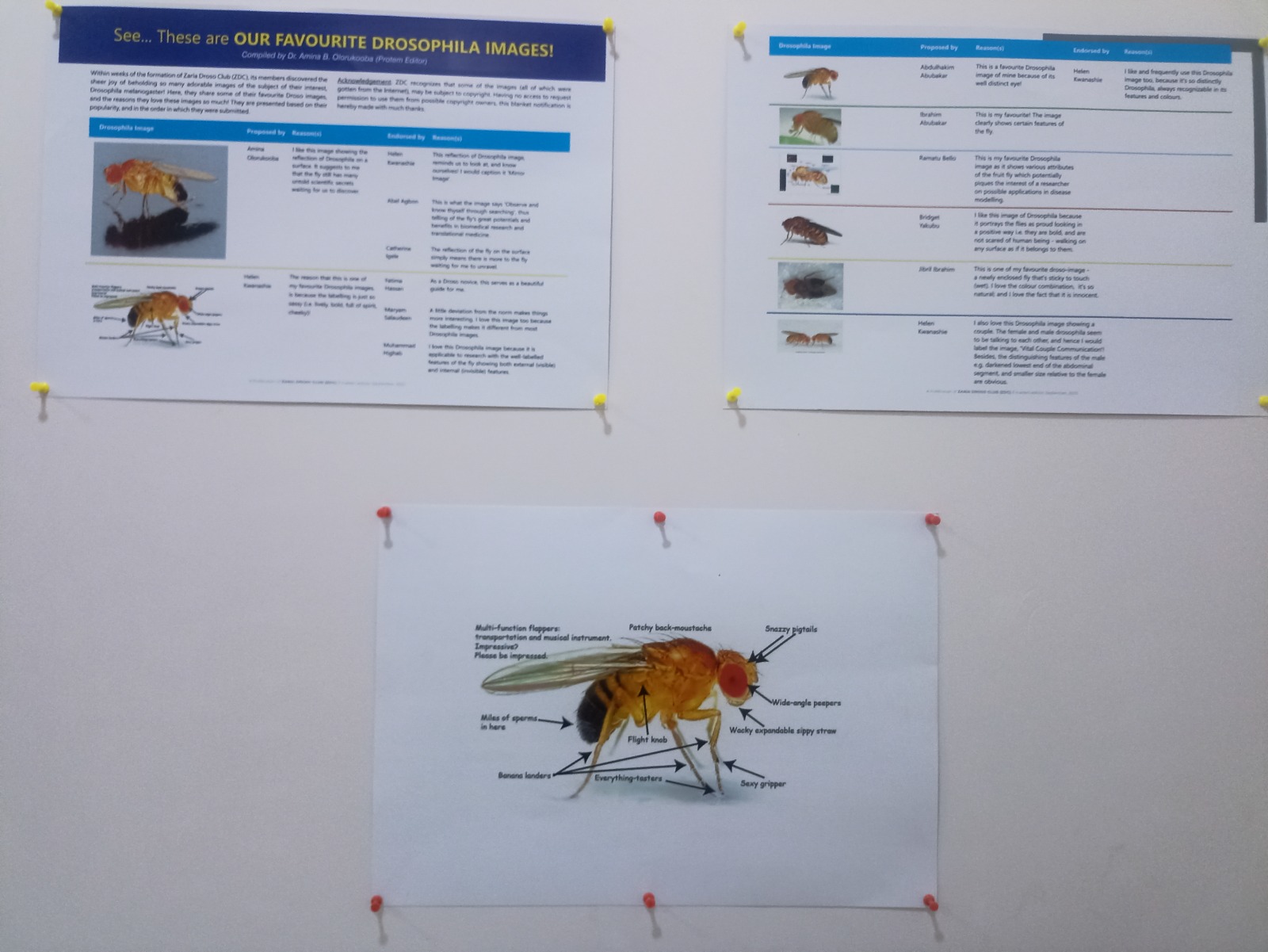
• Disease
understanding
Studies on Drosophila improve knowledge of how infections affect the body. This
supports early detection and better response strategies for diseases common in
camps.
• Nutrition and
growth
Drosophila research shows how poor diet affects development and survival. This
aligns with efforts to address malnutrition among children and families in
displaced communities.
• Environmental
health
The organism helps scientists study the impact of overcrowding and waste
exposure. These conditions are common in IDP camps and directly affect health
outcomes.
• Cost effective
research
Drosophila allows fast and low cost experiments. This supports the development
of solutions that fit low resource settings like IDP camps.

At Neglected but
not Dejected Initiative, our work focuses on vulnerable populations in IDP
camps. Health challenges in these settings demand simple, evidence based
solutions. This is where Drosophila research becomes relevant. This research
supports our goal at the Neglected but not Dejected Initiative. Use science to
inform action. Data from biological studies helps us design better
interventions, track health trends, and improve outcomes in the communities we
serve.
Our work in IDP
camps depends on practical knowledge. Drosophila research provides a pathway to
understand complex health problems in a simple and measurable way. It
strengthens our ability to respond with solutions that are informed, targeted,
and effective.
We remain
committed to bridging science and community impact.
References
1. Morgan,
T. H., Bridges, C. B., & Sturtevant, A. H. (1925/1988). The genetics of
Drosophila. New York: Garland Publishing.
https://lccn.loc.gov/88024279
2. Green,
M. M. (2010). A century of Drosophila genetics through the prism of the white
gene. Genetics, 184(1), 3–7.
https://doi.org/10.1534/genetics.109.110015
3. Stephenson,
R., & Metcalfe, N. H. (2013). Drosophila melanogaster: A fly through its
history and current use. Journal of the Royal College of Physicians of
Edinburgh, 43(1), 70–75.
https://doi.org/10.4997/JRCPE.2013.116
4. Roberts,
D. B. (2006). Drosophila melanogaster: The model organism. Entomologia
Experimentalis et Applicata, 121(2), 93–103.
https://doi.org/10.1111/j.1570-8703.2006.00474.x
5. Rubin,
G. M., & Lewis, E. B. (2000). A brief history of Drosophila’s contributions
to genome research. Science, 287(5461), 2216–2218.
https://doi.org/10.1126/science.287.5461.2216
6. Muller,
H. J. (1927). Artificial transmutation of the gene. Science, 66(1699),
84–87.
https://doi.org/10.1126/science.66.1699.84
7. Sturtevant,
A. H. (1913). The linear arrangement of sex-linked factors in Drosophila. Journal
of Experimental Zoology, 14(1), 43–59.
https://doi.org/10.1002/jez.1400140104
8. Marsh,
J. L., & Thompson, L. M. (2006). Drosophila in the study of
neurodegenerative disease. Neuron, 52(1), 169–178.
https://doi.org/10.1016/j.neuron.2006.09.025
9. Chan,
H. Y. E., & Bonini, N. M. (2000). Drosophila models of human
neurodegenerative disease. Cell Death and Differentiation, 7(11),
1075–1080.
https://doi.org/10.1038/sj.cdd.4400757
10. Whitworth,
A. J., Wes, P. D., & Pallanck, L. J. (2006). Drosophila models pioneer new
approaches to Parkinson’s disease drug discovery. Drug Discovery Today, 11(3–4),
119–126.
https://doi.org/10.1016/S1359-6446(05)03693-7