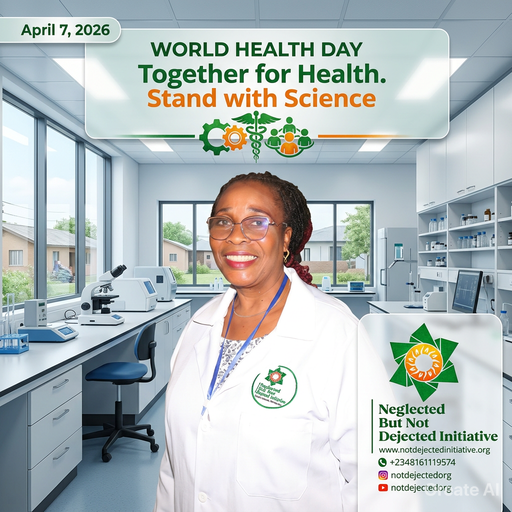
World Health Day is observed every year on April 7 to
mark the establishment of the World Health Organization in 1948. It serves as a
global platform to draw attention to critical health issues and to promote
actions that improve the wellbeing of people across all regions. Over the
years, this day has grown into one of the most recognized global health
awareness events, bringing together governments, health institutions, civil
society organizations, and communities.
The 2026 theme, “Together for health. Stand with science,” highlights the
importance of evidence based decision making and collective responsibility in
addressing health challenges. It emphasizes that progress in health depends on
trust in science, strong health systems, and collaboration across sectors.
Global health progress over the past decades has been significant. Advances in
vaccination, disease surveillance, and medical technology have reduced
mortality rates and increased life expectancy. For instance, global child
mortality has declined sharply, and many infectious diseases are now
preventable or treatable. These improvements are driven by sustained
investments in research, policy, and healthcare delivery systems.
Despite this progress, major challenges remain. Millions of people still lack
access to basic healthcare services. Health inequalities persist between urban
and rural areas, and between high income and low income populations. Emerging
health threats such as pandemics, antimicrobial resistance, and climate related
diseases continue to strain health systems. Mental health conditions are also
rising, yet they remain underfunded and stigmatized in many societies.
World Health Day serves as a reminder that health is a shared responsibility.
It calls for stronger policies, increased funding, and inclusive systems that
ensure equitable access to care. It also encourages individuals to adopt
healthier lifestyles and to engage in preventive practices. The role of science
remains central in this effort. Evidence based interventions help to allocate
resources effectively and improve outcomes across populations.
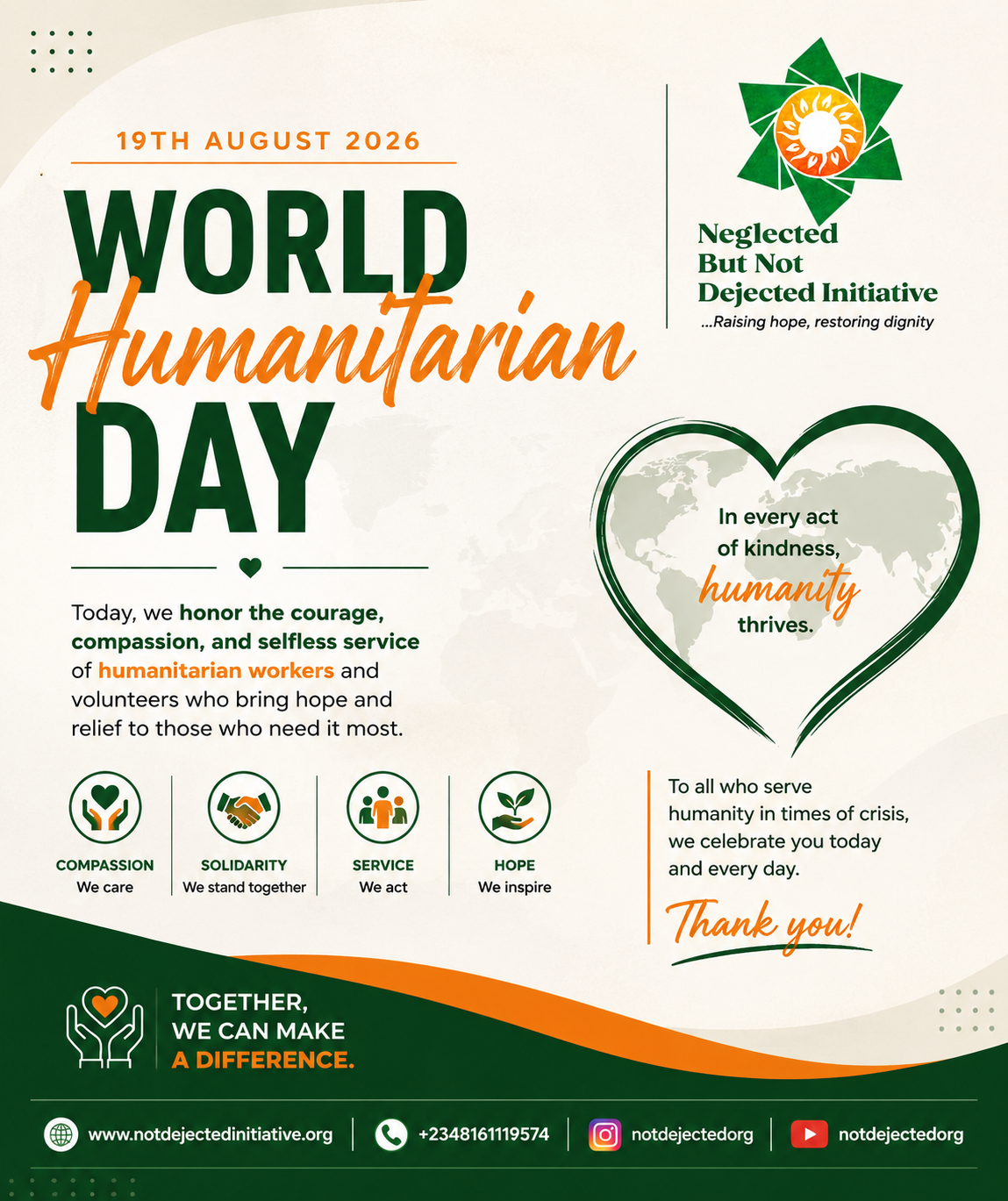
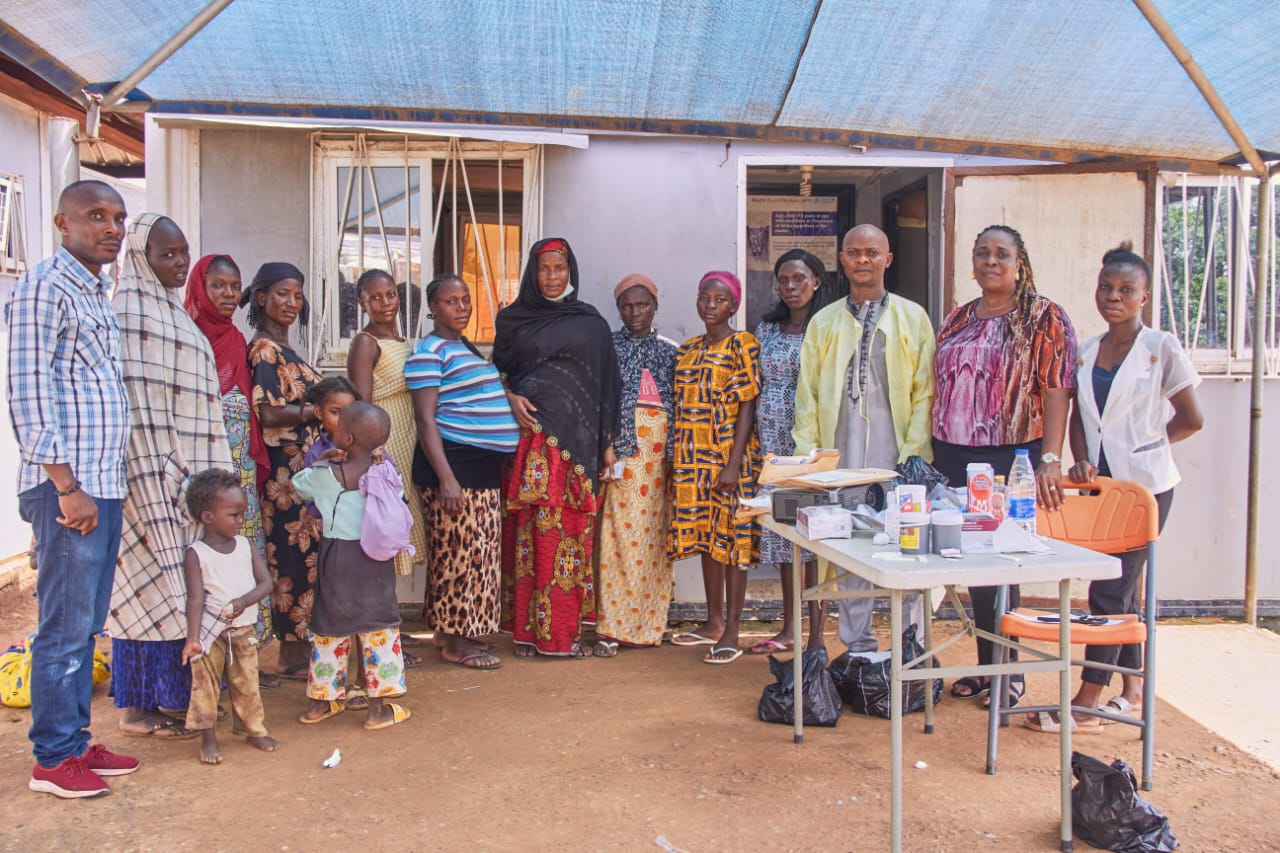
Within this global context, the work of the Neglected But Not Dejected
Initiative becomes highly relevant. The realities highlighted on World Health
Day are not abstract. They are lived experiences for many of the communities.
This initiative focuses on the fact that no individual should be overlooked due
to social, economic, or systemic barriers. Many underserved communities face
challenges such as limited healthcare infrastructure, low health literacy, and
economic hardship. Years of neglect have created a gap between communities and
formal healthcare systems.
Access to healthcare should not depend on income or location.This ensures that
those who are often excluded receive the care they need.
Health requires collective effort, trust in science, and commitment to equity.
HAPPY INTERNATIONAL WORLD HEALTH DAY 2026
References
1. World Health Organization. (2023).
World health statistics 2023: Monitoring health for the SDGs. Retrieved from https://www.who.int/data/gho/publications/world-health-statistics
2. World Health Organization. (2022).
Mental health atlas 2022. Retrieved from https://www.who.int/publications/i/item/9789240036703
3. World Health Organization. (2021).
Global strategy on human resources for health: Workforce 2030. Retrieved from https://www.who.int/publications/i/item/9789241511131
4. United Nations Children’s Fund.
(2023). The state of the world’s children 2023. Retrieved from https://www.unicef.org/reports/state-of-worlds-children-2023
5. World Bank. (2022). World development
report 2022: Finance for an equitable recovery. Retrieved from https://www.worldbank.org/en/publication/wdr2022
6. World Health Organization. (2020).
Primary health care on the road to universal health coverage. Retrieved from https://www.who.int/publications/i/item/9789240004221
7. United Nations. (2023). Sustainable
development goals report 2023. Retrieved from https://unstats.un.org/sdgs/report/2023/
8. World Health Organization. (2021).
Social determinants of health. Retrieved from https://www.who.int/health-topics/social-determinants-of-health
9. Centers for Disease Control and
Prevention. (2022). Global health protection and security. Retrieved from https://www.cdc.gov/globalhealth/healthprotection/index.html
10. World Health Organization. (2023).
Immunization agenda 2030: A global strategy to leave no one behind. Retrieved
from https://www.who.int/teams/immunization-vaccines-and-biologicals/strategies/immunization-agenda-2030