Historically, sanitation systems themselves are far older. Ancient civilizations in the Indus Valley, Crete, Rome, and China developed sophisticated waste-management practices, including early flushing systems and dry latrines. These innovations formed the foundation for modern sanitation systems and continue to inspire low-cost, sustainable alternatives used in resource-limited settings today.
More than 2.4 billion people globally live without basic toilets, and open defecation remains common in many regions. In Nigeria alone, millions continue to rely on unsafe or non-existent sanitation facilities conditions that heighten disease risk, compromise environmental safety, and strip people of dignity. Women, children, and displaced populations bear the greatest burden. In disadvantaged settings like the internally displaced persons camps in Nigeria, these realities remain painfully visible. Families struggle with overcrowded, broken, or non-existent toilet systems. Open defecation is often the only option, especially at night, leaving young girls and women vulnerable to health hazards and insecurity. Sanitation is not merely a physical need, it is a matter of dignity, safety, and human rights.
To address these global sanitation challenges, the Sustainable Development Goals (SDGs) provide a powerful framework. This directly contributes to multiple SDGs. Ensuring the availability and sustainable management of water and sanitation for all is a critical global development priority that directly supports multiple Sustainable Development Goals (SDGs). Sustainable sanitation plays a foundational role in achieving SDG 6 (Clean Water and Sanitation) by promoting universal access to safe, dignified toilets, eliminating open defecation, and ensuring effective and sustainable wastewater treatment systems. Beyond water and sanitation, it also contributes significantly to SDG 3 (Good Health and Well-being), as improved sanitation reduces the spread of waterborne and hygiene-related diseases such as cholera, typhoid, and diarrheal infections, which remain major causes of morbidity and mortality in vulnerable populations.
Furthermore, sustainable sanitation advances SDG 5 (Gender Equality) by improving the safety, privacy, and dignity of women and girls, especially in contexts where lack of sanitation exposes them to health risks, violence, and challenges in managing menstrual hygiene. It also supports SDG 13 (Climate Action) through the promotion of environmentally friendly technologies, such as composting toilets, which reduce greenhouse gas emissions, particularly methane, and prevent the contamination of water resources. In addition, sustainable sanitation contributes to SDG 11 (Sustainable Cities and Communities) by strengthening resilient urban and rural infrastructure, particularly in informal settlements and displacement settings where access is often limited.
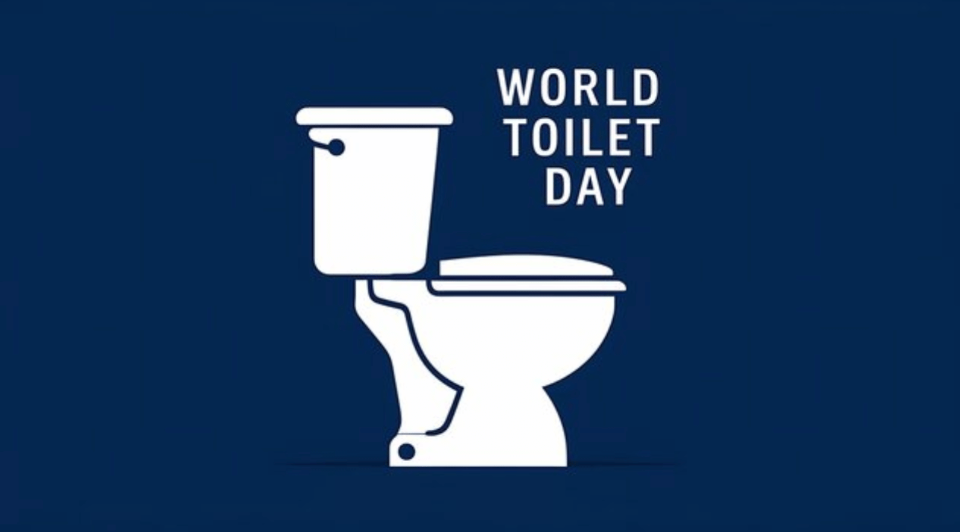
As we commemorate World Toilet Day, the evolution of the word toilet reminds us that sanitation is both a historical achievement and an ongoing struggle. From cloths used in grooming rituals to sustainable compost facilities in modern displacement camps, our approach to sanitation continues to transform. The path forward requires collective commitment: government support, community participation, innovative technology, and strong partnerships. Together, we can achieve the SDGs and restore dignity to every individual ensuring that safe, sustainable sanitation becomes a universal reality rather than a privilege.