Welcome to the Neglected But Not Dejected Initiative (NBNDI), where we are dedicated to bringing awareness, support, and positive change to those who have been overlooked by society.
Our mission is to empower internally displaced persons and other marginalized individuals, helping them realize their potential and rise above their challenges. Through compassion, resilience, and community support, we strive to transform lives and create a brighter future for all.
"NBNDI didn't just provide us with material support; they gave us hope and dignity. Dr. Saliu and her team treated us like family, not just beneficiaries. Our lives have truly changed for the better."
Aisha Ibrahim
IDP Camp Resident, Durumi
"As a volunteer, I've witnessed firsthand the incredible impact NBNDI has on communities. The organization's dedication to sustainable change and empowerment is truly inspiring."
David Okonkwo
Volunteer Coordinator
"The vocational training program changed my life completely. I now have skills that can support my family and contribute to my community. Thank you, NBNDI, for believing in us."
Blessing Adewale
Skills Training Graduate
Our Work
Impact in Action
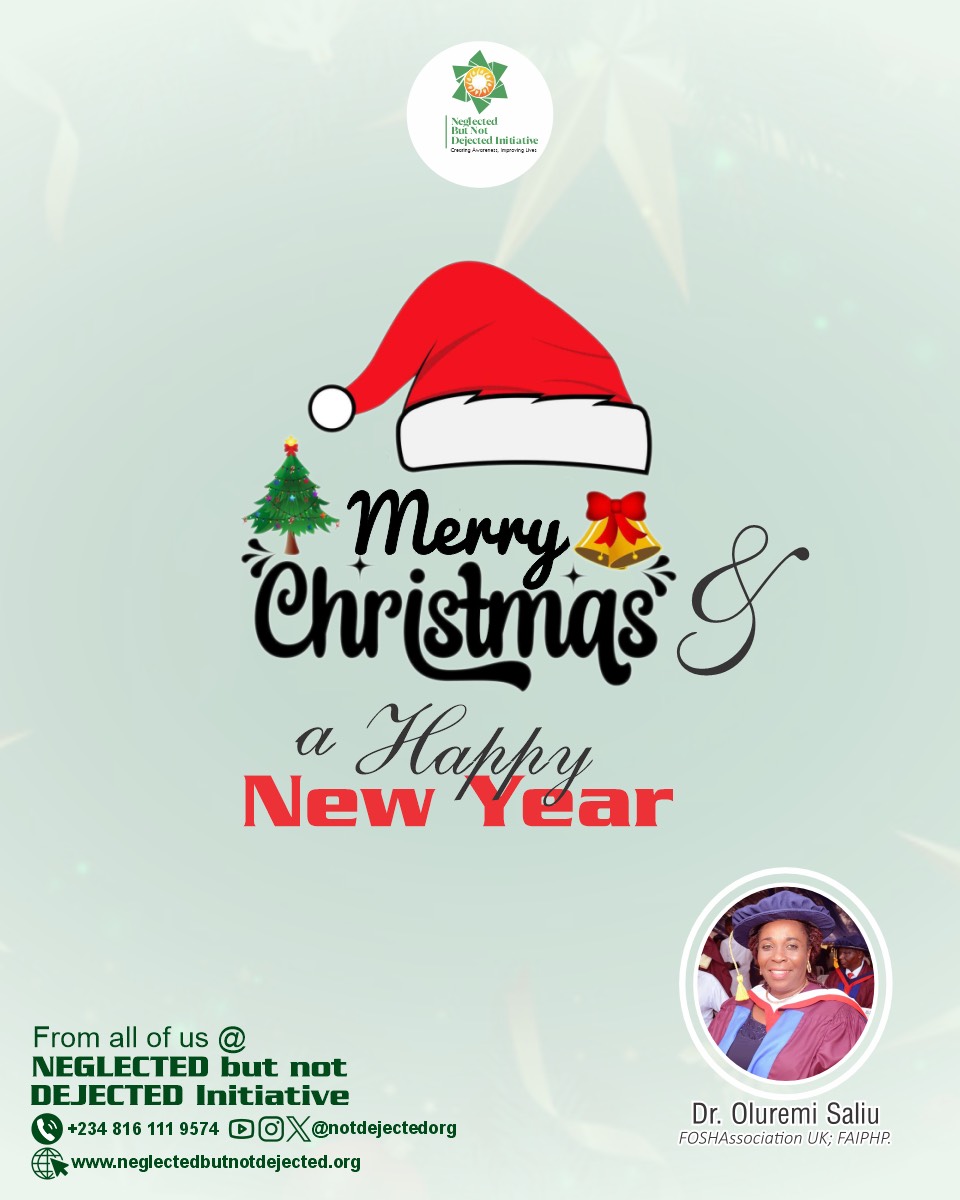
Happy New Year from The Not Dejected Initiative
As we step into the New Year, we reflect with gratitude on the progress made and the lives touched over the past year. The journey has not always been easy, but together we have continued to give hope, amplify voices, and improve lives.
The New Year brings renewed opportunities to deepen our impact, expand our reach, and strengthen our commitment to health, dignity, and social inclusion for the neglected and displaced people in Nigeria. At Neglected But Not Dejected Initiative, we remain dedicated to innovation, capacity building, and collaborative action that drives lasting change in our community.
We sincerely thank our partners, supporters, volunteers, and communities for standing with us. As we move forward, may the New Year bring peace, good health, and shared success for us all.
Happy New Year!
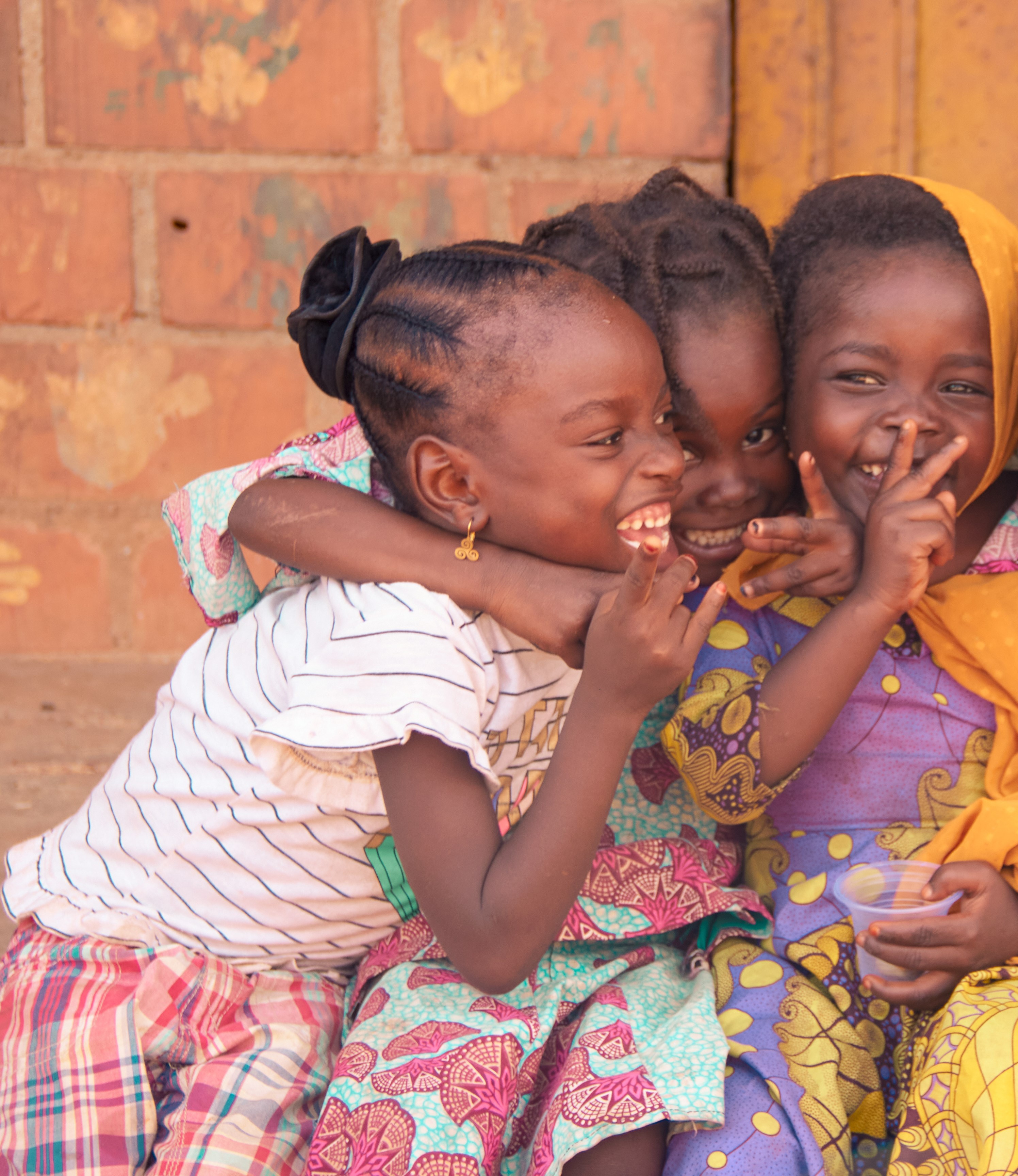
NEGLECTED BUT NOT DEJECTED: EMPOWERING YOUNG GIRLS IN IDP CAMPS
Across Nigeria’s Internally Displaced Persons (IDP) camps, young girls confront some of the harshest realities of conflict and displacement. This includes limited access to education, the threat of child marriage, gender-based violence, inadequate healthcare, and deep emotional trauma.
Despite these challenges, many girls fight for an education in makeshift classrooms, access safe spaces created by humanitarian organizations, and push forward with vocational training that offers a glimpse of independence.
We urge us to recognize the girls who continue to dream, learn, and rebuild their lives amid displacement, and to support efforts that protect their rights, amplify their voices, and unlock their full potential.
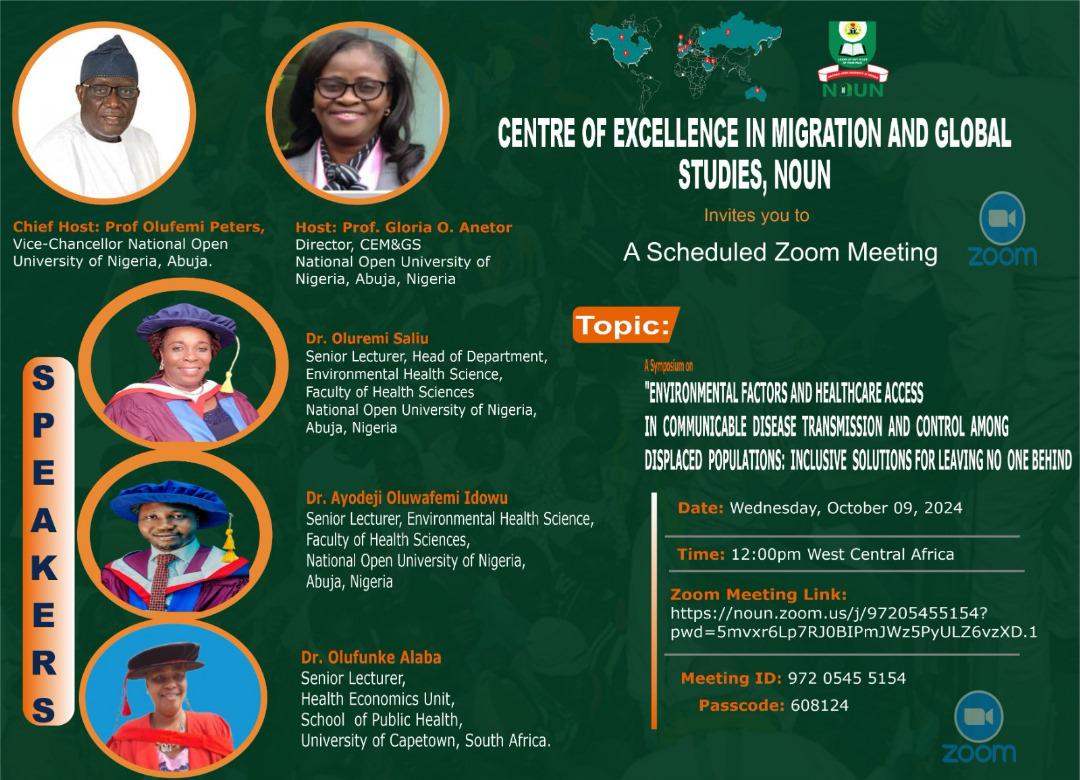
Symposium on Environmental Factors and Healthcare Access in Communicable Disease Control for Displaced Populations: Inclusive Solutions for Leaving No One Behind
This impactful symposium brought together experts, policymakers, and advocates to address the urgent health challenges facing displaced populations worldwide. Focusing on the role of environmental factors and healthcare accessibility in the spread and control of communicable diseases.
Through keynote addresses, panel discussions, and interactive sessions, attendees explored innovative strategies to bridge healthcare gaps and manage disease transmission in crisis-affected areas. The symposium highlighted collaborative approaches, shared best practices, and developed actionable steps to ensure that healthcare systems can adapt to support displaced communities effectively, fostering resilience and equity in global health.
In alignment with our mission, this event emphasized the importance of leaving no one behind in the fight against communicable diseases, promoting a future where healthcare access is a universal right for all populations, regardless of circumstance.
9th October,2024
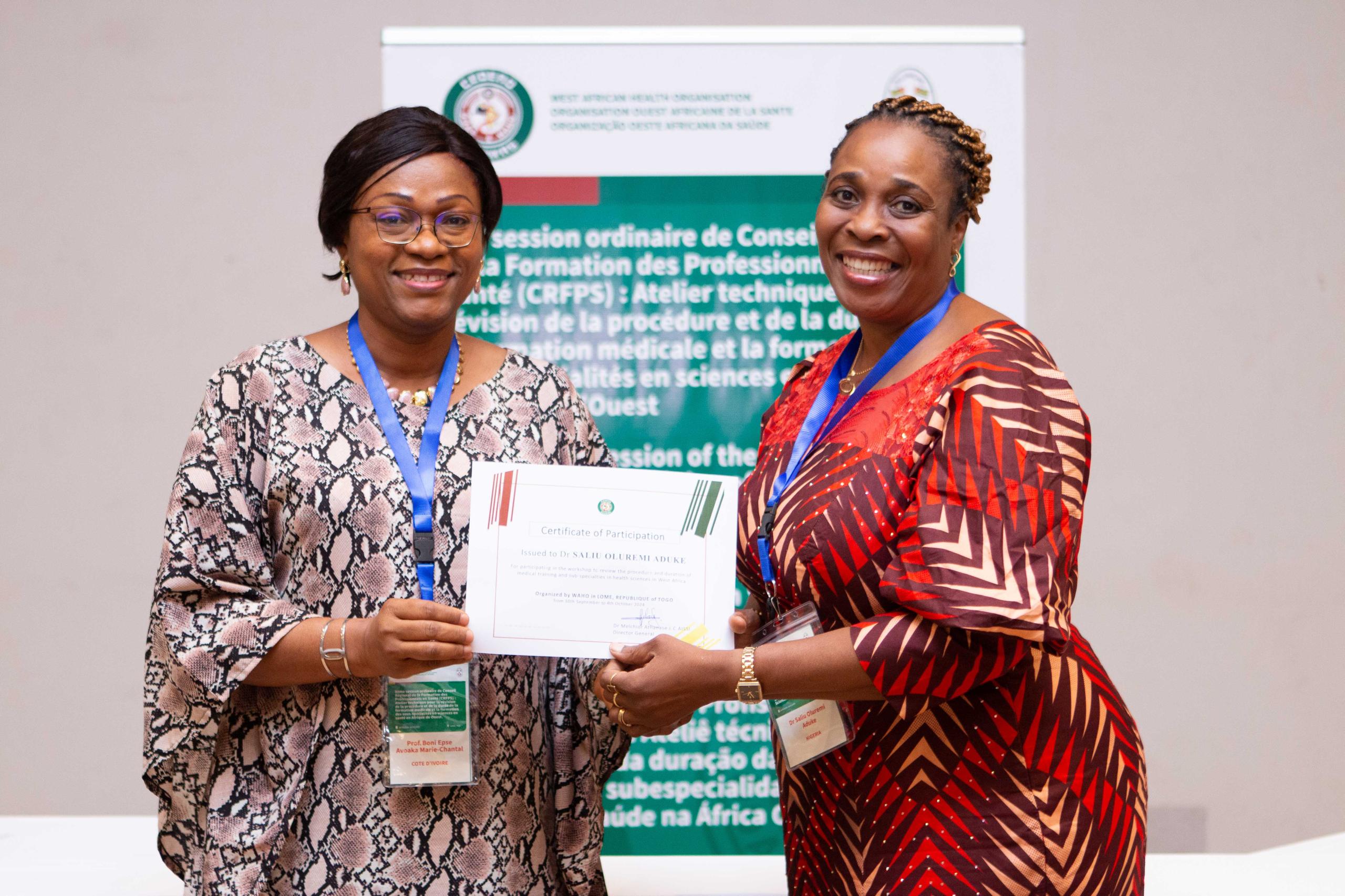
WAHO Conference TOGO (2024)
Technical Session held in the Togolese Republic to align the contents of the Harmonized Basic and Specialist Training Curricula of WAHO in the three official ECOWAS languages - English, French, and Portuguese. It also contributed to the workshop focused on developing a competency framework (Trainer’s Guide) for educators in Health Sciences across the ECOWAS region.
These sessions aimed to promote the recognition of diplomas and ensure curriculum alignment across disciplines, equipping trainers with the knowledge and tools required to support students using WAHO’s harmonized curricula. Participants collaboratively reviewed and updated electronic documents, addressed gaps, and reached consensus on key implementation strategies.
The workshop concluded with strong stakeholder engagement and a shared commitment to strengthening health education standards across West Africa.
Internally Displaced Rural Women in Abuja, Nigeria
International Day for Rural Women, Oct 15
Displacement disrupts more than homes, it shatters livelihoods, safety, and access to basic services. For rural women, the impact is even deeper. Uprooted from their farms, families, and support systems, they face increased vulnerability to poverty, gender-based violence, and health risks.
Our work focuses on restoring dignity and opportunity through skills training, mental health support, and access to safe spaces. These women are not just survivors; they are resilient changemakers, and with the right support, they can rebuild stronger communities.
Cholera: An Ongoing Global Challenge
Cholera, caused by the Vibrio cholerae bacterium, is a waterborne disease that spreads primarily through contaminated food, water, and poor sanitation. Despite progress in healthcare and sanitation over the years, it remains a serious public health concern worldwide. The disease continues to thrive in regions where access to clean water and proper hygiene is limited, highlighting the urgent need for improved infrastructure, awareness, and preventive measures.
International Women’s Day highlights the contributions and resilience of women in every sector of society. Neglected But Not Dejected Initiative uses this moment to celebrate women, raise awareness on issues affecting them, and strengthen efforts toward empowerment, equality, and improved well being for women and girls in our communities.
World Cancer Day highlights the urgent need to close the care gap and strengthen cancer prevention efforts, particularly for cervical cancer which is one of the most preventable yet deadly cancers affecting women in low- and middle-income countries.
Despite the availability of highly effective HPV vaccines and early screening methods, thousands of women continue to die due to limited awareness, poor access to healthcare, and systemic inequalities. This global observance reminds us that where a person lives should not determine their chances of surviving cancer. Through education, prevention, and equitable healthcare access, we can protect women’s health and significantly reduce preventable cancer deaths.
WAHO trained health science educators on the use of digital tools and harmonized curricula to improve the quality and consistency of health training across ECOWAS.