
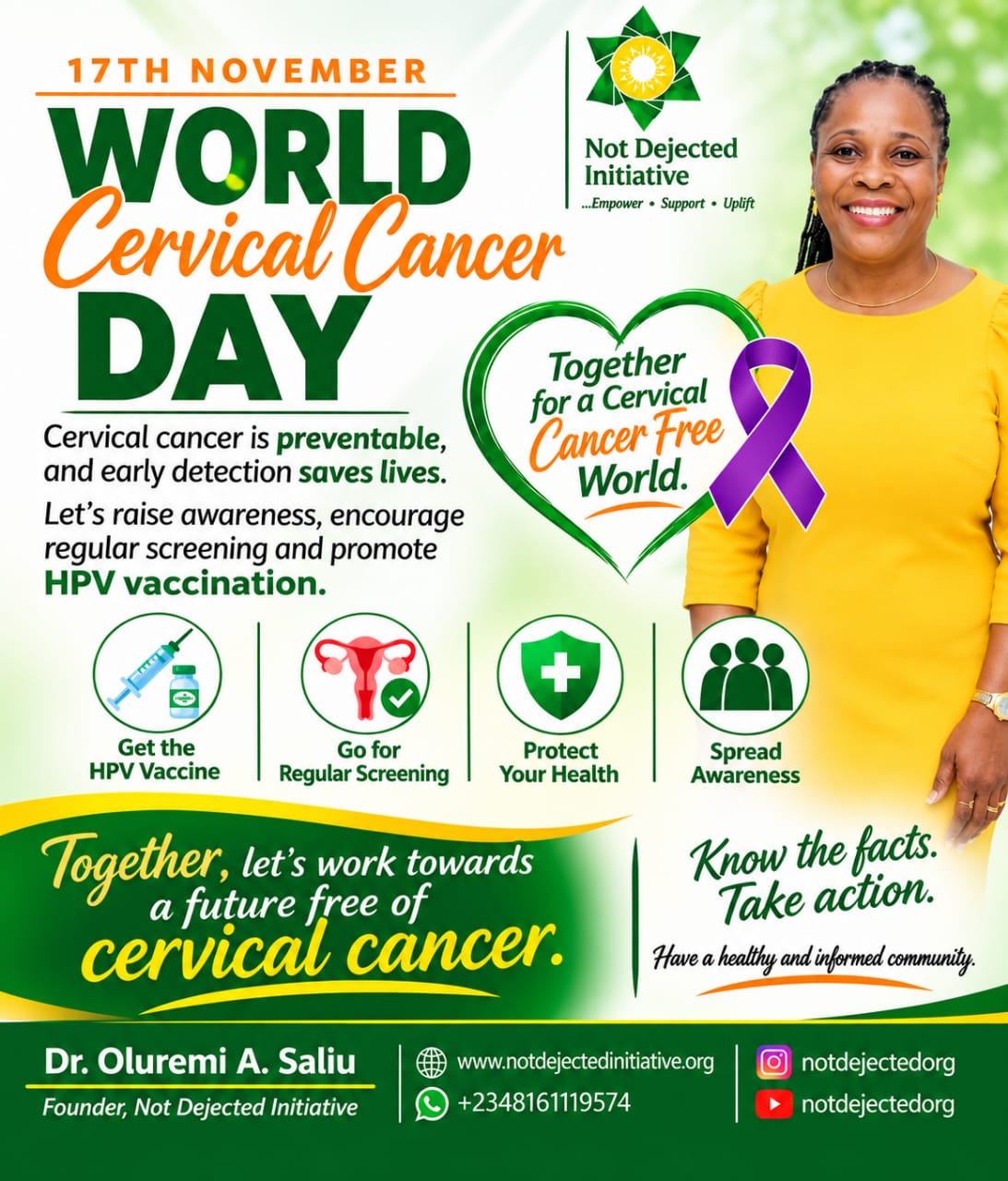
Cervical cancer is a malignant disease arising from cells of
the uterine cervix, the lower part of the uterus that connects with the vagina.
It usually develops gradually through precancerous cellular changes, many of
which can be detected and treated before invasive cancer occurs. This long
pre-invasive phase creates an important opportunity for prevention through HPV
vaccination and organised screening. Cervical cancer is therefore distinctive
among major cancers because effective primary and secondary prevention
interventions are available and can substantially reduce incidence and
mortality when implemented equitably (World Health Organization [WHO], 2026).
Despite its preventability, cervical cancer continues to
cause substantial illness, premature death, financial hardship and social
disruption. The disease disproportionately affects populations with limited
access to vaccination, screening, diagnostic services and timely treatment.
These inequities are associated with poverty, gender inequality, weak health
systems and differences in health literacy. In Nigeria, cervical cancer remains
an important cause of cancer morbidity and mortality among women, making
prevention and early detection critical public health priorities (Federal
Ministry of Health, 2025; WHO, 2021a).
This review synthesises available literature on cervical
cancer, moving from its biological basis to prevention and control. Particular
attention is given to Nigerian evidence because national context influences the
feasibility, acceptability and effectiveness of interventions.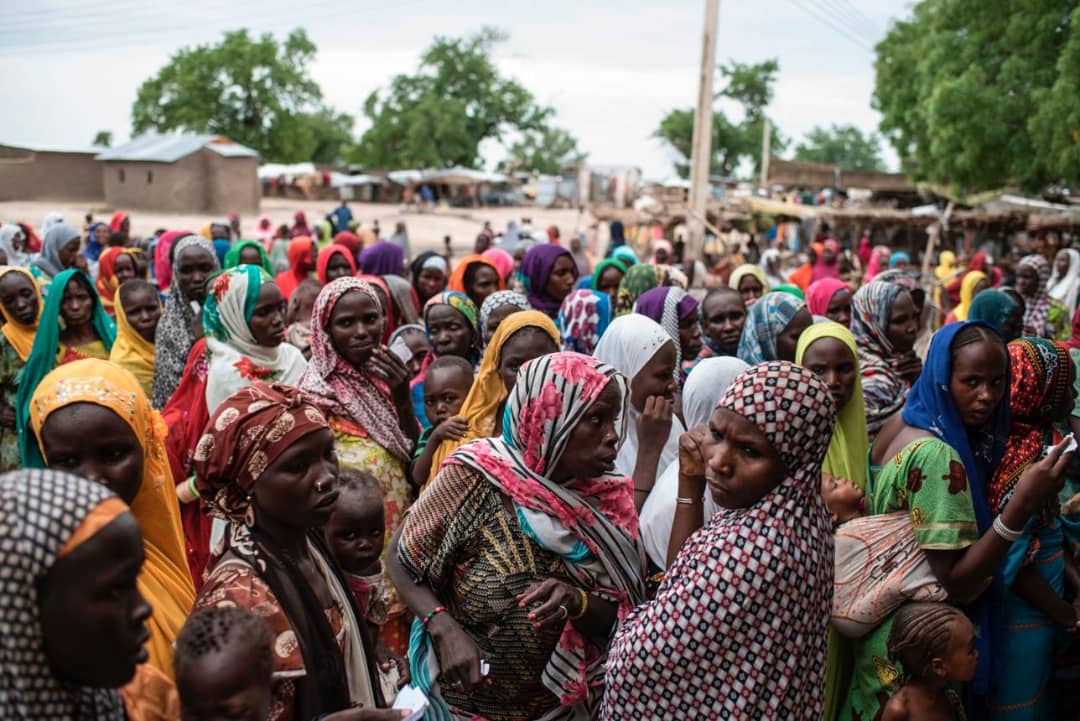
The cervix contains different epithelial cell types, and
most cervical cancers develop in the transformation zone, where glandular and
squamous epithelial cells meet. Persistent infection with high-risk HPV can
disrupt normal cellular regulation and produce precancerous lesions. If these
lesions are not detected and managed, some may progress over several years to
invasive cancer. The most common histological types are squamous cell carcinoma
and adenocarcinoma, although other less common forms occur.
HPV is a group of viruses transmitted mainly through intimate skin-to-skin or sexual contact. Infection is common, and most infections are transient because the immune system clears them. The major concern is persistent infection with oncogenic HPV types. HPV 16 and 18 account for a large proportion of cervical cancers, while other high-risk types also contribute to disease burden (WHO, 2026; IARC, 2026). Infection alone does not mean that a person will develop cancer; persistence, host factors and other cofactors influence progression.
Recent WHO estimates indicate approximately 604,000 new
cervical cancer cases and about 280,000 deaths worldwide in 2024. The burden is
not evenly distributed: incidence and mortality are highest in low- and
middle-income settings, where access to vaccination, screening, pathology,
surgery, radiotherapy and systemic treatment is often limited (WHO, 2026). IARC
similarly emphasises that the overwhelming majority of cervical cancer cases
and deaths occur in low- and middle-income countries (IARC, 2026).
These patterns demonstrate that cervical cancer is not simply a biological problem. They reflect unequal access to preventive and curative services and the influence of social determinants of health. Countries with organised screening, high vaccination coverage and effective treatment pathways have achieved substantial reductions in disease burden. Conversely, health systems that depend largely on opportunistic screening may fail to reach women who are most vulnerable.
Nigeria faces a considerable cervical cancer burden. WHO
country-profile estimates reported approximately 10,600 cervical cancer deaths
in 2019 and an age-standardised incidence rate of 18.4 per 100,000 women in
2020; the profile also documented low screening coverage, with 11% of women
aged 30–49 screened in the preceding five years (WHO, 2021b). These figures are
historical country-profile estimates and should not be interpreted as current
annual counts.
At the 2025 World Health Assembly, Nigeria reported an
estimated 12,000 new cases and more than 8,000 deaths annually, while
reaffirming alignment with the WHO 90–70–90 elimination targets. The Federal
Ministry of Health also reported that the national HPV vaccination rollout had
reached approximately 12 million girls by the time of the statement (Federal
Ministry of Health, 2025). Differences between estimates across years and
sources may arise from modelling methods, reporting periods and improved data.
They underline the importance of strengthening cancer registration and
surveillance.
HPV vaccination was introduced into Nigeria's routine immunisation system in 2023, initially through a phased campaign targeting girls aged 9–14 years. WHO reported that the first phase reached 4.7 million girls across 16 states between October 2023 and January 2024 (WHO Regional Office for Africa, 2024). Sustaining coverage, reaching out-of-school girls and integrating vaccination into routine services remain important implementation priorities.
Persistent infection with high-risk HPV is the necessary
causal factor in almost all cases of cervical cancer. However, progression from
infection to precancer and invasive disease is influenced by several cofactors.
These include HIV-related immunosuppression, other causes of reduced immune
function, tobacco smoking, and reproductive and sexual health factors that may
increase the probability of HPV exposure or persistence. Women living with HIV
have a substantially increased risk of cervical cancer compared with women
without HIV (WHO, 2026).
Other factors commonly discussed in the literature include early sexual debut, multiple sexual partners, high parity and prolonged use of some hormonal contraceptives. These factors should be interpreted carefully: they do not independently cause cervical cancer in the absence of oncogenic HPV, and associations may be influenced by confounding. Social determinants such as poverty, limited education, stigma and poor access to preventive services increase vulnerability by reducing opportunities for vaccination, screening and early treatment.
Early cervical precancer and early invasive disease may
produce no noticeable symptoms. This absence of symptoms is a major reason screening
is necessary even when a woman feels healthy. When symptoms occur, they may
include bleeding after sexual intercourse, bleeding between menstrual periods
or after menopause, persistent or unusual vaginal discharge, pelvic pain and
pain during intercourse. Advanced disease may cause persistent back or leg
pain, swelling of the legs, weight loss, fatigue, loss of appetite or urinary
and bowel symptoms (WHO, 2026).
These symptoms are not specific to cervical cancer and may
occur in other conditions. They require prompt clinical assessment rather than
self-diagnosis. Public education should therefore encourage timely consultation
while avoiding messages that create unnecessary fear or stigma.
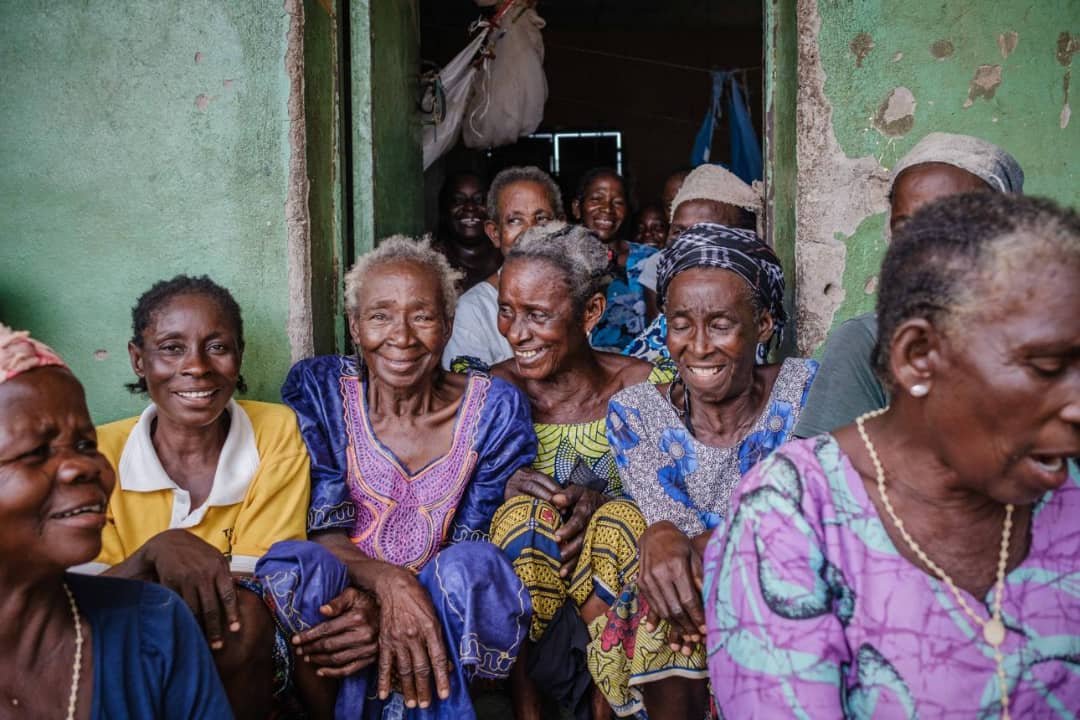
Cervical screening aims to identify high-risk HPV infection
or precancerous changes before invasive disease develops. Available approaches
include HPV DNA testing, cytology (Pap testing) and visual inspection with
acetic acid (VIA). WHO recommends HPV DNA testing as the preferred primary
screening method where feasible because it is more sensitive than visual
inspection or cytology and can support longer screening intervals. Screening
strategies should be adapted to national resources and the needs of the
population (WHO, 2021a).
WHO guidance recommends starting regular screening at age 30
in the general population and at age 25 for women living with HIV, with
intervals depending on the test and national protocol. The global elimination
strategy calls for women to be screened with a high-performance test by age 35
and again by age 45. A positive screening result is not itself a diagnosis of
cancer; it requires appropriate triage, diagnostic assessment and, where
indicated, treatment of precancerous lesions.
Self-collection for HPV testing may improve participation by
reducing discomfort, embarrassment and practical barriers. Screen-and-treat
approaches can also reduce loss to follow-up in settings where women face
transport costs or repeated clinic visits. However, programmes must ensure
quality assurance, informed consent, privacy, clear communication of results
and access to treatment after a positive screen.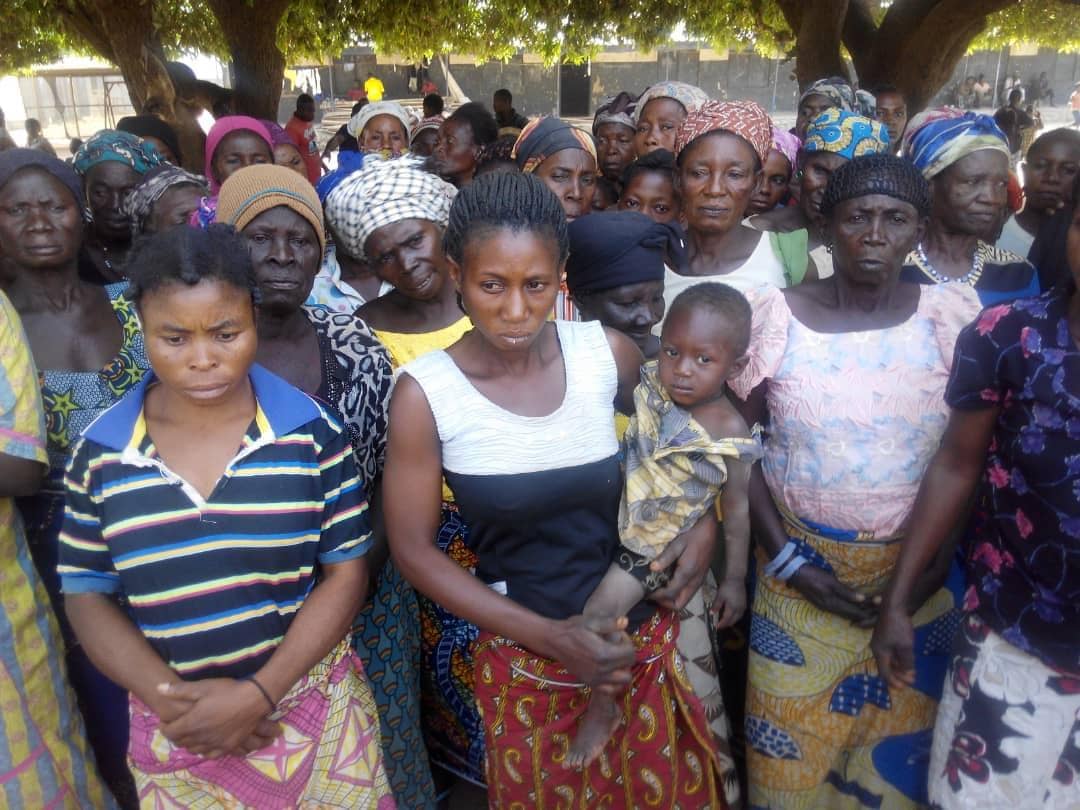
Primary prevention is centred on HPV vaccination before
exposure to the virus. WHO recommends vaccination for girls aged 9–14 years,
with schedules determined by national guidance and individual clinical
circumstances. Vaccination does not remove the need for future screening
because vaccines do not protect against every oncogenic HPV type and do not
treat an infection already present (WHO, 2026).
Secondary prevention involves screening and treatment of
precancerous lesions. Thermal ablation, cryotherapy, loop electrosurgical
excision and cone biopsy are among the methods used, depending on lesion
characteristics, clinical guidance and available expertise. Tertiary prevention
requires timely diagnosis, staging, treatment and supportive or palliative care
for women with invasive disease. Treatment may involve surgery, radiotherapy,
chemotherapy or combinations of these modalities.
At population level, effective control requires an integrated programme rather than isolated campaigns. Essential components include reliable vaccine procurement, school- and community-based delivery, public education, affordable screening, trained providers, pathology services, referral systems, cancer treatment capacity and monitoring of coverage and outcomes.
Treatment depends on stage, tumour characteristics, the
patient's overall health and reproductive preferences. Early-stage disease may
be managed with surgery or radiotherapy, while locally advanced disease
commonly requires concurrent chemoradiotherapy. Systemic therapy and palliative
interventions may be required for recurrent or metastatic disease. Clinical
decisions should be made by appropriately trained multidisciplinary teams and
follow evidence-based national or international guidelines.
Supportive care is important throughout the disease pathway. It includes management of pain and other symptoms, psychological support, counselling, sexual and reproductive health care, social support and palliative care when needed. Delays between diagnosis and treatment can reduce the likelihood of favourable outcomes, making referral coordination and treatment affordability central elements of cancer control
Evidence from Nigerian systematic reviews identifies
multiple, overlapping barriers to cervical screening. Mafiana et al. (2022),
reviewing 15 studies involving 9,995 women, reported lack of knowledge,
misconceptions, fear of the procedure or result, perceptions that screening was
unnecessary, financial constraints and health-service factors. A separate
systematic review among female health workers found that even relatively
knowledgeable participants had low screening uptake; reported barriers included
cost, fear of a positive result, lack of awareness of screening options, low
perceived risk and lack of time (Adewumi et al., 2021).
These findings suggest that information campaigns alone are
insufficient. Women may understand that screening exists but still be unable to
afford it, reach a facility, obtain an appointment or complete follow-up.
Provider attitudes, privacy, availability of female providers, waiting times,
equipment, laboratory capacity and continuity of care may influence service
use. Cultural and religious beliefs and concerns about stigma can also shape
decisions, and should be addressed through respectful community engagement
rather than blame.
Policy and programme responses should therefore combine
demand-side strategies with health-system strengthening. These include
integrating screening into primary health care and HIV services, reducing
out-of-pocket costs, training providers, expanding HPV testing, improving
referral and tracking systems, and engaging community, religious and women's
organisations.
References
Adewumi, K., Oketch, S. Y., & colleagues. (2021). Factors
influencing cervical cancer screening practice among female health workers in
Nigeria: A systematic review. *Cancer Reports*.
https://pmc.ncbi.nlm.nih.gov/articles/PMC9124499/
Federal Ministry of Health. (2025). *Statement by Nigeria:
Agenda item 13.1—Global strategy on cervical cancer elimination*. World Health
Assembly. https://apps.who.int/gb/statements/WHA78/PDF/Nigeria-13.1b.pdf
International Agency for Research on Cancer. (2026).
*Cervical cancer*. https://www.iarc.who.int/cancer-type/cervical-cancer/
Mafiana, J. J., Dhital, S., Halabia, M., & Wang, X.
(2022). Barriers to uptake of cervical cancer screening among women in Nigeria:
A systematic review. *African Health Sciences, 22*(2), 295–309.
https://doi.org/10.4314/ahs.v22i2.33
World Health Organization. (2021a). *WHO guideline for
screening and treatment of cervical pre-cancer lesions for cervical cancer
prevention* (2nd ed.). https://www.who.int/publications/i/item/9789240030824
World Health Organization. (2021b). *Nigeria: Cervical cancer
country profile*.
https://cdn.who.int/media/docs/default-source/country-profiles/cervical-cancer/cervical-cancer-nga-2021-country-profile-en.pdf
World Health Organization. (2026, November 10). *Cervical
cancer*. https://www.who.int/news-room/fact-sheets/detail/cervical-cancer
World Health Organization, Regional Office for Africa.
(2024). *Nigeria: Safeguarding the future of women and girls against cervical
cancer*. https://www.afro.who.int/sites/default/files/2024-03/WHO%20AFRO%20Investment%20Case%20Series_Cervical%20Cancer%20and%20HPV%20Vaccination.pdf