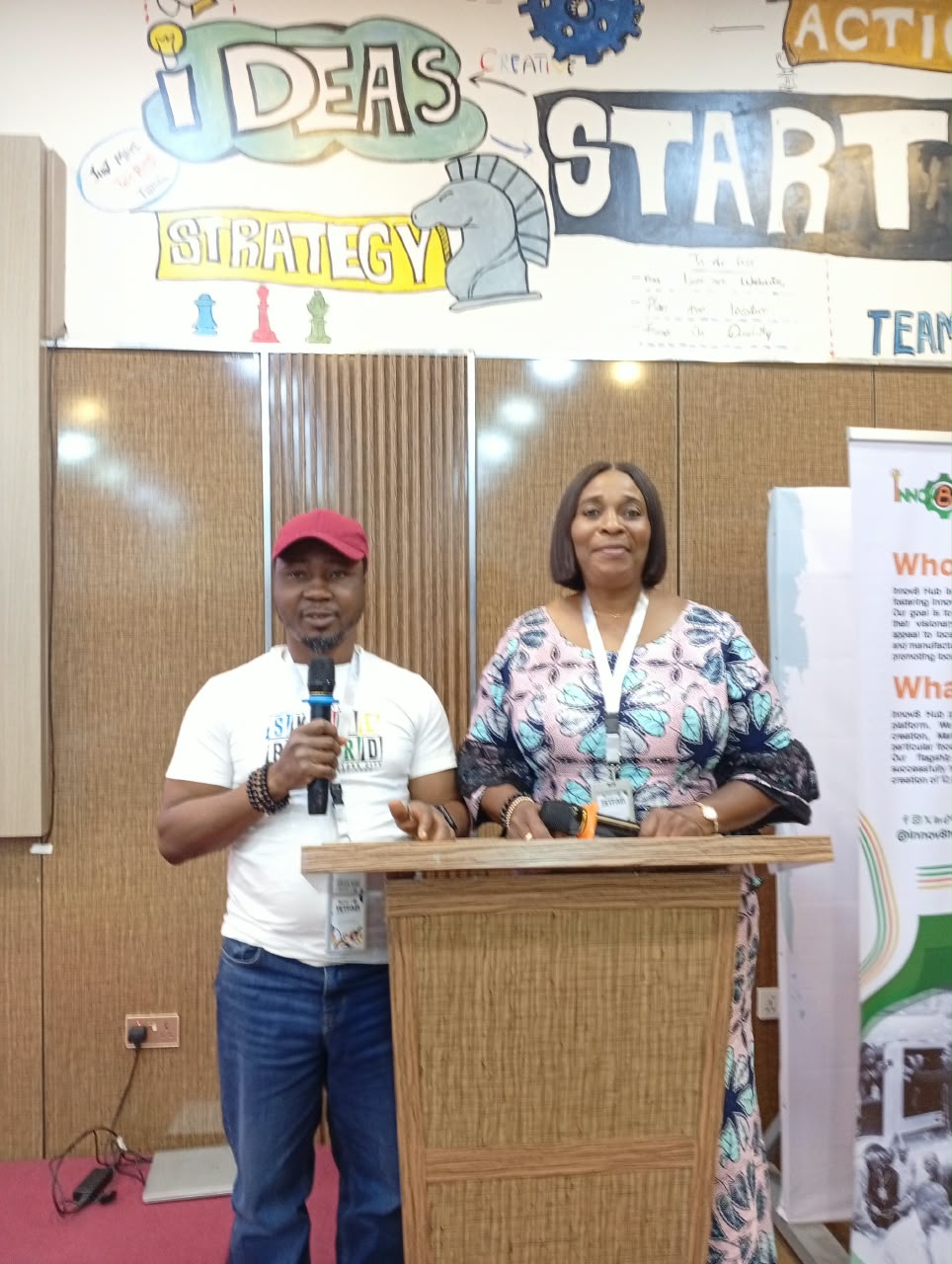

From 1st to 4th September 2026, Dr. Oluremi A. Saliu and Dr. Oluwafemi Idowu participated in the TETFAIR Prototype Bootcamp, an intensive programme focused on moving innovative ideas from the concept stage toward practical, testable solutions. Her innovation, titled “Orthopedic Thermoplastic Slab for Children with Cerebral Palsy (STABILICORE),” was developed around a specific challenge faced by children living with cerebral palsy and the families and healthcare professionals who support them.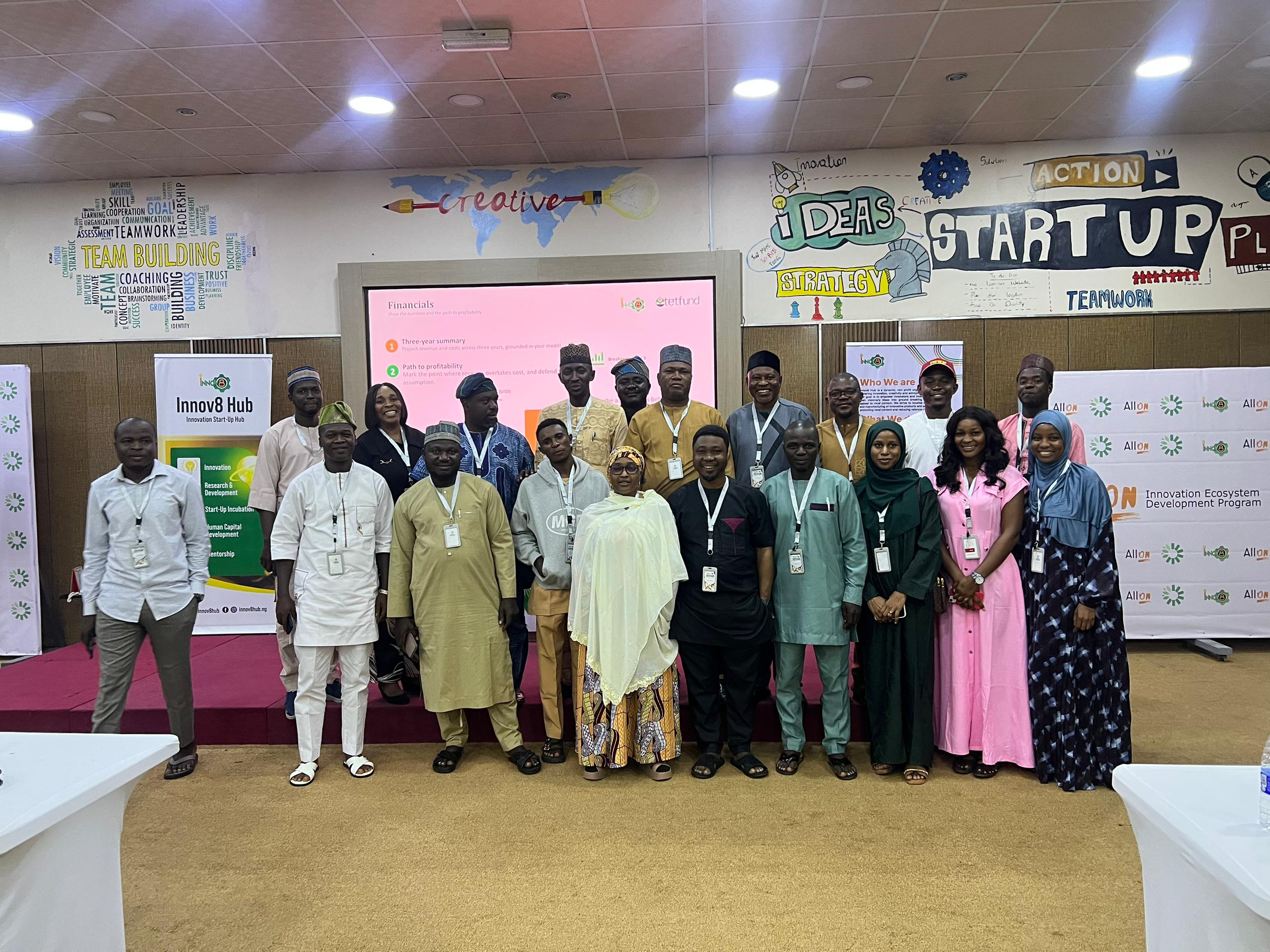
For Dr. Saliu and colleagues, the bootcamp was an opportunity to look at the innovation beyond the idea itself. Developing a healthcare product requires more than identifying a problem and proposing a solution. The proposed device needs to fit the user, respond to the physical condition it was designed for, remain comfortable during use, withstand repeated handling, and fit within the realities of the healthcare environment where it will eventually be used. The four-day bootcamp provided a practical environment for working through these issues.
Understanding the Problem Behind the Prototype
Cerebral palsy affects movement and posture. Many children with cerebral palsy experience muscle stiffness, weakness, abnormal muscle tone, or difficulties controlling the position of their limbs. These challenges often affect the hands, wrists, ankles, feet, and other parts of the body. Orthotic devices and splints form part of the rehabilitation support provided to some children with these conditions. They help position a limb, support functional movement, and in some cases help manage complications associated with abnormal positioning. However, the existence of a clinical need does not automatically produce a suitable product. A child’s body is still growing. Their physical needs differ from one child to another. A device that works well for one child might require adjustment for another. Comfort, weight, fitting, ease of adjustment, durability, hygiene, and cost therefore become important considerations during product development.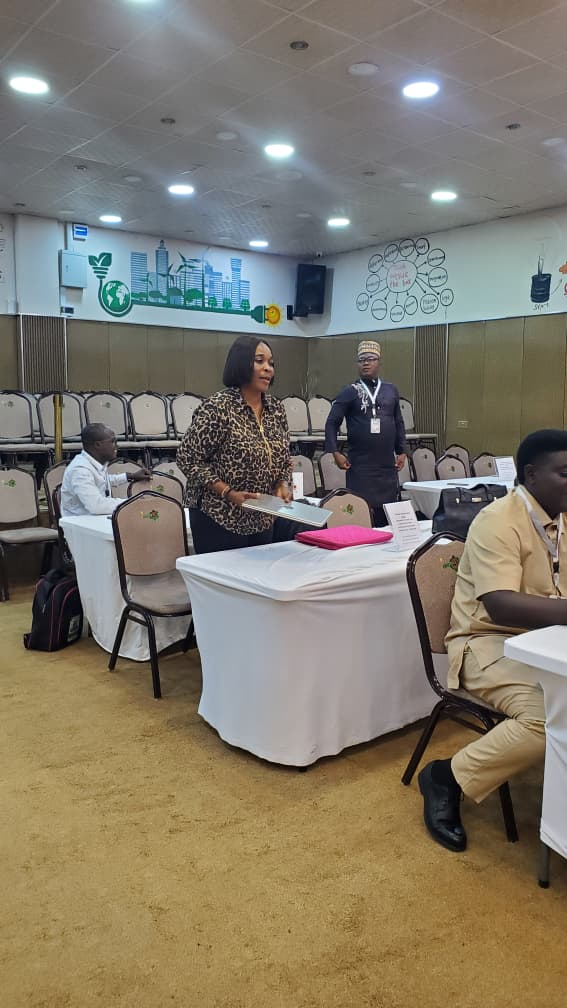
The bootcamp therefore offered a space to move from theoretical discussion to practical thinking about how the device would be designed, formed, assessed, modified, and eventually tested.